REVELATION INTERPRETATION GUIDE

How to Interpret Revelation

The Four Views Every Christian Should Know

In This Guide

You're sitting with a friend over coffee, discussing the Book of Revelation. You share what you've learned about the Antichrist or the thousand-year reign, and your friend looks at you with genuine confusion. "That's not what my pastor taught," they say. "We believe most of that already happened in the first century."

You're both reading the same Bible. You're both sincere believers. Yet somehow, you're seeing completely different things.

If you've ever wondered how to interpret Revelation — or why your uncle, neighbor, or Bible study partner arrives at such different conclusions — you're encountering what scholars call "interpretive frameworks." Think of them as windows. Same building, different views.

Before you can make sense of Revelation's symbols and prophecies, you need to understand which window you're looking through. More importantly, you need to know what the other windows reveal. Not because those views are wrong (though I'll share why I chose one particular approach), but because knowing they exist helps you understand the conversation.

Let's explore the four main ways Christians have understood Revelation for the past 2,000 years.

The Four Windows on Revelation

Picture a beautiful building with four large windows, each facing a different direction. Stand at the north window, and you'll see mountains. Move to the south, and there's the ocean. East reveals sunrise, west shows sunset.

Same building. Same moment in time. Completely different views.

This is what happens when Christians study Revelation. We're all looking at the same inspired text, but our interpretive framework shapes what we see and how we understand it.

Window One: "It Already Happened" (The Preterist View)

Imagine standing in AD 95, when John wrote Revelation. Rome dominates the world. Christians face brutal persecution. Nero's reign of terror isn't long past. The temple in Jerusalem lies in ruins, destroyed just 25 years earlier.

Now open Revelation and read it as if you're one of those first-century believers.

Preterists do exactly this. They believe John was addressing his immediate audience, writing about events that would unfold in their lifetime or soon after.

When John describes judgment falling on "Babylon the Great," preterists see Rome — or sometimes Jerusalem. The Beast? That's Nero, whose name in Hebrew numerology equals 666. The destruction and chaos? The fall of Jerusalem in AD 70 or Rome's eventual collapse.

Think about the book's opening words: "things that must soon take place" (Revelation 1:1). Preterists take this seriously. If John told first-century Christians something would happen "soon," doesn't it make sense that it did?

✓ Strength

Revelation becomes immediately relevant to its original audience. It's not a distant prophecy — it's urgent encouragement for people facing real persecution right now. "Hold on," John is saying. "Rome seems invincible, but God will judge her. Your suffering has meaning. Victory is coming."

✗ Challenge

Some events clearly haven't happened yet. Death and suffering haven't ended. Satan isn't bound. Christ hasn't returned visibly. Preterists handle this in different ways — some say everything happened spiritually in AD 70, others say most things happened then but Christ's return is still future.

Window Two: "It's Church History" (The Historicist View)

What if Revelation is like a divine history book written in advance?

Historicists read Revelation as a chronological outline of church history from John's time until Christ's return. Each seal represents a different era. The seven churches? Seven periods of Christianity. The trumpets? Major historical events — perhaps the fall of Rome, the rise of Islam, the Protestant Reformation.

During the Reformation, this view was popular. Protestant reformers found comfort in seeing God's hand throughout history, especially in passages they interpreted as predicting the corruption of medieval Catholicism and its eventual reform.

Picture this approach like a timeline: Revelation 1–3 covers the early church period. Chapters 4–7 represent the Roman Empire's decline. Chapters 8–11 map the Middle Ages. And so on, marching through history until we reach our present day, somewhere near the end of the timeline.

✓ Strength

This view shows God working through 2,000 years of history. Nothing catches Him by surprise. Every trial the church has faced was foreseen and has meaning in His plan.

✗ Challenge

Different historicists identify different historical events with the same symbols. One says a trumpet represents the Islamic invasions; another says it's the barbarian invasions of Rome. When expected fulfillments didn't happen as predicted, confidence in this view diminished.

Window Three: "It's Timeless Truth" (The Idealist View)

Here's a different question: What if Revelation isn't about when things will happen, but about what's always true?

Idealists read Revelation as symbolic teaching about the ongoing spiritual battle between good and evil. The Beast isn't one specific person or empire — it represents any oppressive power that demands worship and persecutes God's people. Babylon isn't one city — it's the seductive corruption of worldly values in every age.

Think of it this way: In the 1st century, Rome was "the Beast." In the 20th century, maybe totalitarian regimes played that role. Today? Perhaps it's materialism, technology, or political ideologies. The symbols recur because the pattern recurs.

The message remains constant: God is sovereign. Evil seems powerful but will lose. Believers must stay faithful. Christ wins.

✓ Strength

Revelation speaks to every generation without getting tangled in debates about specific historical events or future timelines. You can apply its truths whether you're facing Nero's Rome or navigating modern challenges. It keeps the focus on the core message: persevere, God is in control.

✗ Challenge

This view can minimize Revelation's prophetic nature. John clearly thought he was describing real events, not just timeless principles. And readers who want to know "what's going to happen" may feel unsatisfied with symbolic-only interpretations.

Window Four: "It's Still Coming" (The Futurist View)

This is the view I hold — and the one my book Revelation Explained explores in depth.

Futurists believe most of Revelation (especially chapters 4–22) describes events that haven't happened yet. When we read about a seven-year tribulation, a world dictator, global persecution, Christ's visible return, and a thousand-year reign — we're reading about the future.

Think of Revelation as God pulling back the curtain on human history's final act. The play is still running. We're somewhere in the middle. But John saw the ending, and he wrote it down so we'd know how the story concludes.

Here's what this looks like in practice:

When you read about the Antichrist, futurists see a future world leader who hasn't appeared yet. The mark of the Beast? A coming economic system. The bowls of God's wrath? Literal future judgments. The thousand-year reign? Christ will rule on earth for a millennium.

Chapters 1–3 speak to real churches with ongoing relevance. But chapter 4 shifts: "Come up here, and I will show you what must take place after this" (Revelation 4:1). From there, John describes events still on history's horizon.

✓ Strength

This approach takes prophecy seriously as prediction. It provides a detailed roadmap of end-times events. Many prophecies about Christ's first coming were fulfilled literally — why not prophecies about His return? The futurist view honors the text's plain meaning while acknowledging its symbolic elements.

✗ Challenge

It requires explaining why 2,000+ years have passed since John wrote. It can lead to speculation about current events ("Is this political leader the Antichrist?"). And even futurists disagree on details — when does the rapture occur? What exactly is the millennium?

Why I Chose the Futurist Window

You might be wondering: "Why futurism? What made you choose this view?"

Let me be honest with you. I don't claim absolute certainty about every detail of interpretation. Sincere, brilliant scholars who love Jesus and honor Scripture hold each of these four views.

But here's why futurism makes the most sense to me:

📜
The text reads like prophecy. When I come to interpret Revelation without preconceptions, I encounter a book that repeatedly says it's describing future events. John doesn't write like he's crafting timeless allegories — he describes what he actually saw, just like Old Testament prophets who saw future events in visions.
The unfulfilled elements. Death hasn't ended. Satan isn't bound. Christ hasn't returned in the way Revelation 19 describes — riding a white horse, leading heaven's armies, establishing His kingdom. The new heaven and new earth haven't arrived. These realities demand a future fulfillment.
🔗
The pattern of Scripture. Throughout the Bible, we see prophecies with multiple layers — both near and distant fulfillments. Jesus' Olivet Discourse addressed both Jerusalem's destruction (AD 70) and His second coming (still future). Revelation likely follows this pattern: immediate relevance for first-century believers, ultimate fulfillment still ahead.
The connection to Daniel. Revelation builds directly on Daniel's prophecies, which futurists also see as partly unfulfilled. The seventy "weeks," the four kingdoms, the description of the end times — these create a framework that Revelation expands.

Comparison: The Four Views at a Glance

View When Fulfilled? The Beast Represents Key Strength
Preterist 1st century (AD 70) Nero / Rome Immediate relevance to original audience
Historicist Throughout church history Various empires and institutions Shows God's sovereignty over 2,000 years
Idealist Every age (timeless) Any oppressive anti-God power Speaks to every generation
Futurist Still future (Ch. 4–22) Coming world leader Takes prophecy as literal prediction

What This Means for Your Bible Study

Now that you know the four ways to interpret Revelation, here's what to remember:

You'll understand why Christians disagree. The next time someone shares a completely different take on Revelation, you'll recognize which window they're looking through. This doesn't make conversation less valuable — it makes it more informed.

You can choose your approach thoughtfully. Instead of just accepting whatever view your church tradition holds, you can examine the evidence and decide which interpretive framework makes the most sense to you.

You'll stay humble. Even after choosing a view, you'll recognize that godly, brilliant believers see things differently. This should create humility, not arrogance, in how we discuss end-times prophecy.

But here's what matters most: You'll keep encountering Jesus.

This book is called "The Revelation of Jesus Christ" (Revelation 1:1) for a reason. Whether you ultimately adopt futurism or lean toward another view, every chapter points you to Him — the One who was, who is, and who is to come.

"The real question isn't 'When will these things happen?' It's 'Am I ready?' And perhaps more importantly: 'Am I living with the joy that comes from knowing how the story ends?'"
Frequently Asked Questions

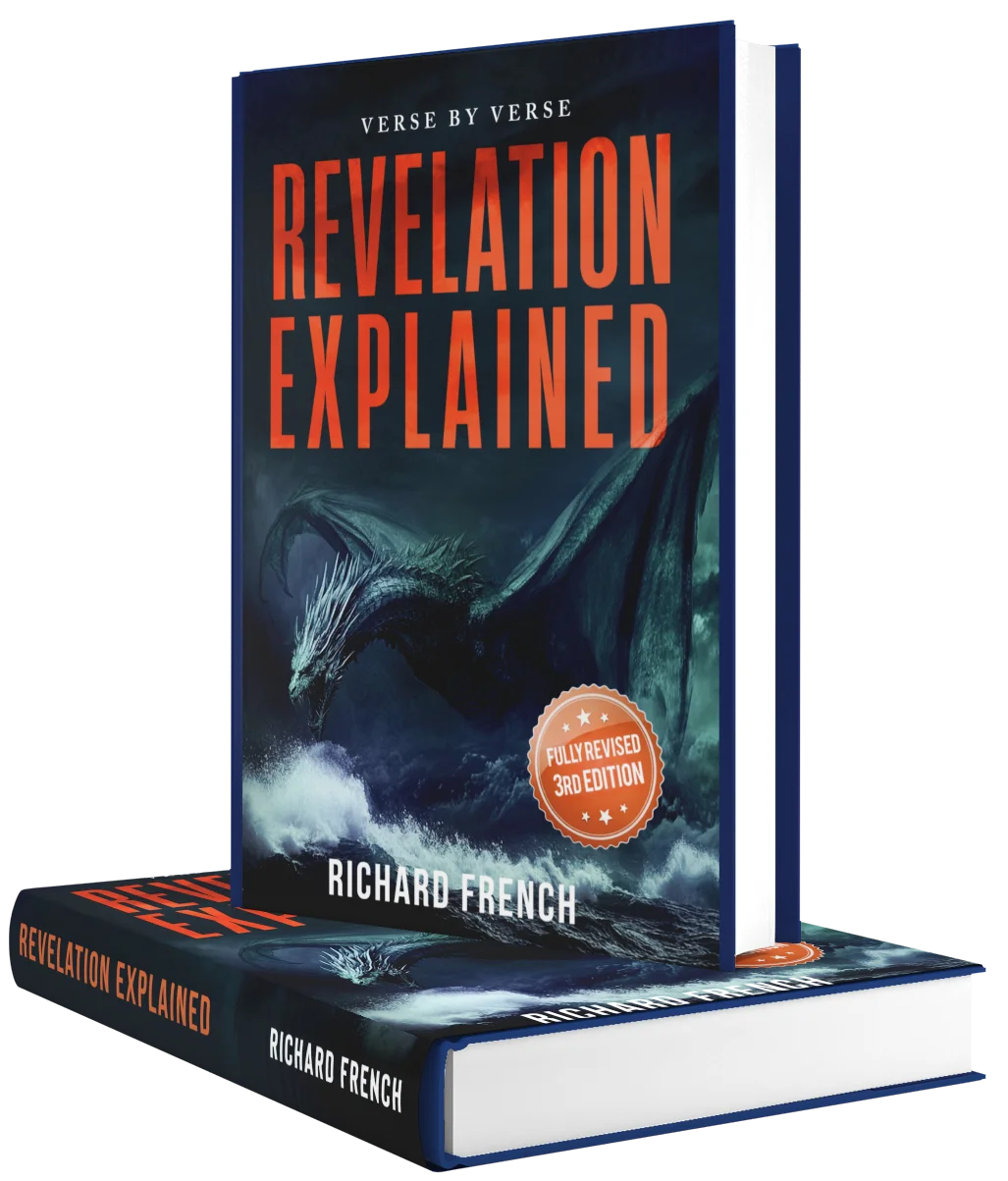
Revelation Explained book cover

Go Deeper with Revelation Explained

Want to explore Revelation verse-by-verse through the futurist lens? My book Revelation Explained: Verse by Verse walks you through all 22 chapters with detailed commentary, Old Testament connections, and practical application. Each chapter receives the careful attention it deserves, helping you understand this remarkable prophecy with clarity and confidence.