Every generation has been certain that the answer was yes. Here is what two thousand years of certainty should teach us, and why the last book of the Bible was written to give hope rather than fuel speculation.
Open the news on any given morning, and the question writes itself. Wars and rumors of wars. Earthquakes, famines, plagues. Technologies that would have looked like magic or a menace to our grandparents. Somewhere, a preacher is holding a headline up next to an open Bible, and somewhere, a believer is quietly wondering whether the end times have finally arrived.
Are we in the end times?
It is an honest question, and an ancient one. The trouble is not that people ask it. The trouble is that we have been answering it with enormous confidence, and getting it wrong, for almost two thousand years.
Quick Answer: In the sense the New Testament means it, yes, and we have been since the resurrection. The church has lived in the "last days" for two thousand years, which is exactly why no headline can hand you the day, the hour, or the name of the Antichrist. Every generation from Nero's Rome to our own has been certain the end had arrived, and every generation has been wrong. Jesus himself said no one knows the timing (Matthew 24:36), turning our attention away from speculation and toward faithfulness. Revelation was written to give persecuted believers hope, assuring them that God reigns and God wins.
Definition: The "end times," or "last days," in the New Testament describe the entire age between Christ's resurrection and His return, a span the church has already occupied for two millennia, rather than a narrow window of final events tied to the current news cycle.
Key Scripture: "But of that day and hour no one knows, not even the angels of heaven, but My Father only." (NKJV Matthew 24:36)
Context: The apostles spoke of their own era as the last days, beginning at Pentecost (Acts 2:17). They taught believers to live in constant readiness rather than to calculate a date, a posture the church has often forgotten across the centuries.
Every Era Found Its Antichrist
Consider the roll call.
To the first Christians suffering under Rome, the Antichrist was Nero, the emperor whose name, written in Hebrew letters, adds up to 666. They were sure. They had every reason to be. Their friends were dying in his arenas.
When Rome fell and the Huns swept across Europe, Attila earned the title "the Scourge of God," and a terrified Christendom read him as the herald of the approaching end. He was certain proof, right up until he died and the world kept turning.
During the Reformation, the Antichrist became the papacy itself. Luther said so. Calvin said so. The original Westminster Confession of Faith put it in writing. Rome pointed back across the divide and named Luther in return. Both sides were sure.
Then came the kings and emperors. The medieval popes called the German emperor Frederick II the great beast risen from the sea. The Tsar of Russia called Napoleon "the Antichrist and the enemy of God." Each one fit the moment, and each one was buried.
The twentieth century produced the most obvious candidate of all. Hitler matched every line of the template, and millions believed the end had surely come. Then Mussolini. Then Stalin. As the Cold War wore on, Henry Kissinger topped the lists for a decade, until a Soviet premier with a birthmark on his forehead was read as the man bearing the mark of the beast and took his place. Each generation was sure.
And here we are, still naming candidates, still holding up headlines.
The pattern is so consistent that the pattern itself becomes the real revelation. Across twenty centuries, nearly every age has taken the chief villain of its own moment and pressed him into the same mold: concentrated power, cruelty toward God's people, and a name that can be tortured into the number 666. The Antichrist has worked like a mirror, reflecting back whatever each age feared most.
The strangest part is that Scripture told us to expect this. The word "antichrist" never appears in the book of Revelation at all. It shows up only in the letters of John, and the one time he counts, he uses the plural: "even now many antichrists have come" (1 John 2:18). The many were already arriving while the ink was still wet. We have simply kept the tradition going ever since.
The One Verse That Should Settle It
If two thousand years of confident wrong answers are not enough to make us cautious, there is one verse that should. It comes from Jesus Himself, set in the middle of His longest teaching about the end of the age:
"But of that day and hour no one knows, not even the angels of heaven, but My Father only." (NKJV Matthew 24:36)
Read that slowly. The angels do not know it. Mark records the same teaching with one more staggering clause, "nor the Son" (Mark 13:32), telling us that in the days of His earthly ministry even Jesus did not hold the date. Only the Father.
If the day and the hour were withheld from heaven's own angels and from the incarnate Son, then the project of pinning the end times to a calendar, or pinning the Antichrist to a particular living man, was never ours to complete. Jesus draws that line on purpose. He is telling His followers to stop doing the very thing every generation after Him has insisted on doing.
Notice what He tells them to do instead. He does not say calculate. He says, "Watch therefore, for you do not know what hour your Lord is coming" (Matthew 24:42). Stay faithful, stay ready, live as people who will not be ashamed whenever the morning comes. The unknown hour is a summons to stay awake.
The apostles learned the lesson straight from His lips. When they pressed the risen Jesus one last time about the timing, He answered, "It is not for you to know times or seasons which the Father has put in His own authority" (Acts 1:7), and then sent them out to be witnesses. The energy we keep spending on guesses was always meant to be spent on living.
What Revelation Says About the End Times
Here is where the question turns, and where the good news begins.
Revelation was never given as a code to crack or a timeline to decode. It was a letter, written by an old pastor named John to seven real, frightened, struggling churches in Asia Minor. They faced pressure, poverty, and an empire that demanded they bow. John wrote to them, and through them to us, carrying one overwhelming message: God is on the throne, and God wins.
That is why the very first thing the book promises is a blessing on the one who reads it and keeps its words (Revelation 1:3). The promise rests on the one who hears and holds on, never on the one who finally breaks the code.
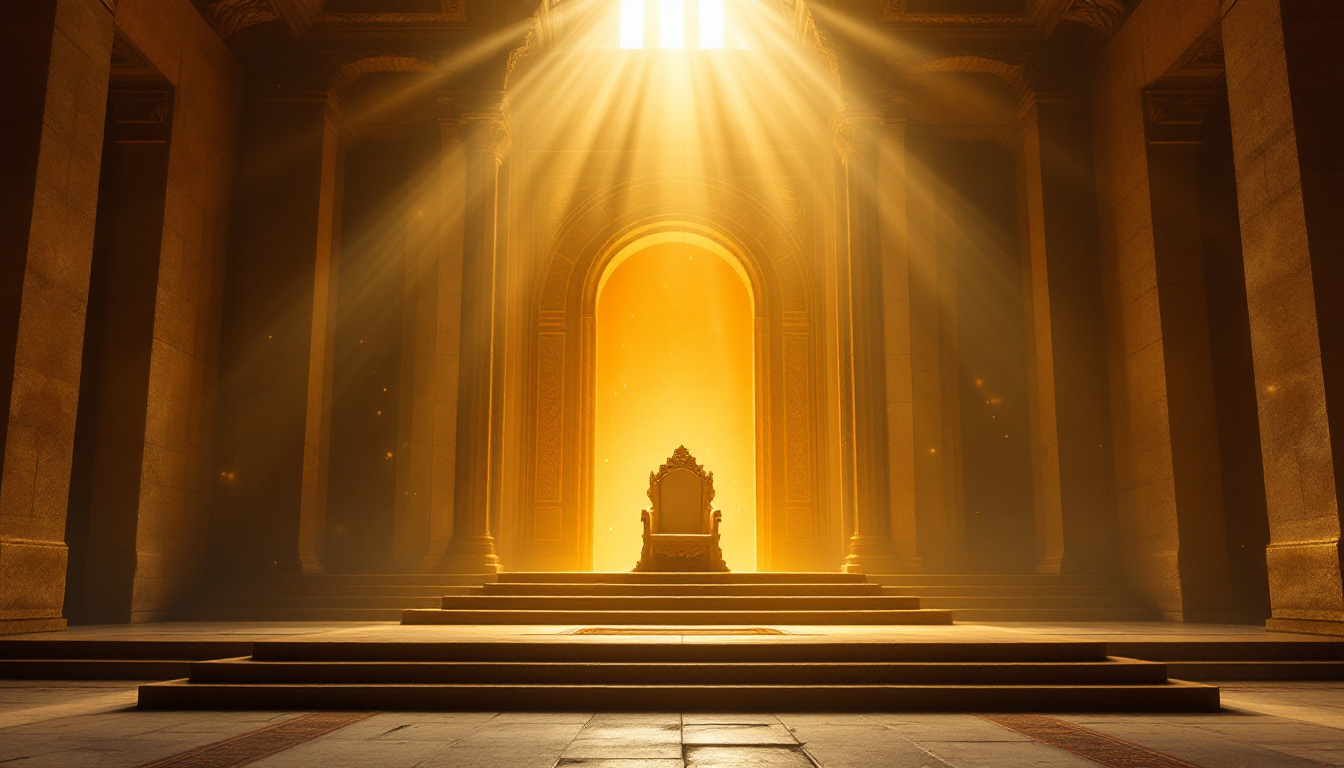
Read Revelation the way its first audience heard it and the speculation falls away while the hope stands up. The center of the book is a throne room (Revelation 4 and 5), where every creature in heaven and on earth is singing and a slain Lamb stands at the heart of it, worthy and victorious. The end of the book is a city, a wedding, a homecoming, and a promise:
"And God will wipe away every tear from their eyes; there shall be no more death, nor sorrow, nor crying. There shall be no more pain, for the former things have passed away." (NKJV Revelation 21:4)
That is the destination the whole book drives toward. The beasts and the trumpets and the bowls are real, and they are sobering, and they sit in the middle of the story rather than at its close. The story ends with a garden restored, a people gathered home, and God Himself dwelling among us. The Bible's final word is an invitation: "Even so, come, Lord Jesus!" (Revelation 22:20).
A Better Question Than "Are We in the End Times?"
So, are we in the end times?
In the only sense the New Testament uses the phrase, yes, and we have been since the resurrection. The church has lived in the last days for two thousand years, which is precisely why no headline will ever hand you the day or the hour.
That may be the wrong question to carry into your week. Revelation presses a different question on you, and a far more searching one. It asks whose you are, and whether you are awake. It asks whether Christ sits on the throne of your life the way He sits on the throne of heaven. It asks whether you would be found faithful if the morning came tonight.
Those questions have answers you can actually live inside. And they hand the last book of the Bible back to you as what it always was: an open door, a steadying hand, and a promise that the story ends in light.
The generations who spent their fear naming the Antichrist have all gone quiet. The throne they worried over is still occupied. It always was. That is the hope Revelation was written to give, and no headline can take it from you.
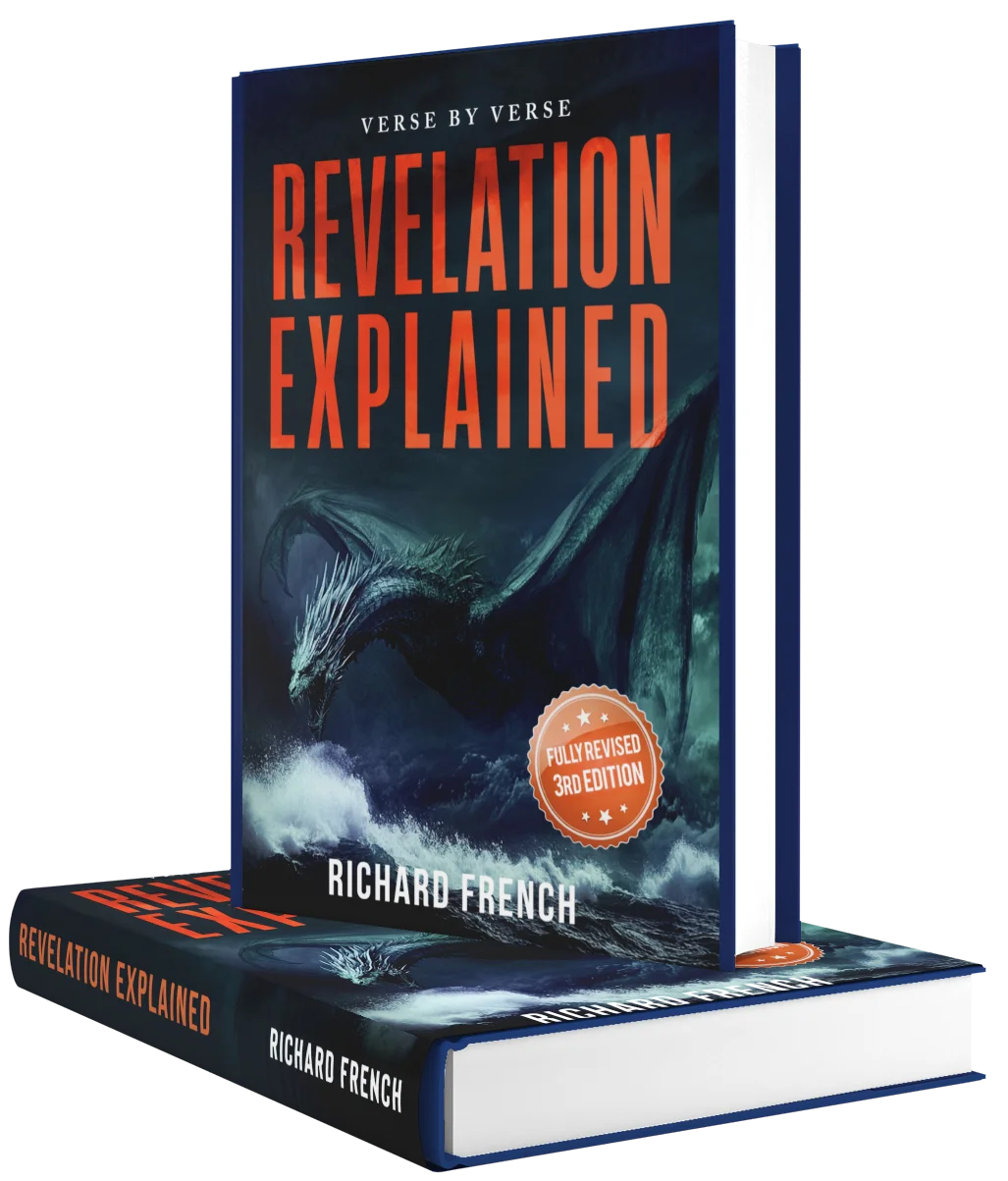
For a verse-by-verse walk through Revelation's symbols, structure, and steady message of hope, see Revelation Explained: Verse by Verse by Richard French.
Sources
Matthew 24:36-42 (the Olivet Discourse on the unknown hour)
Mark 13:32 (the parallel saying, including "nor the Son")
Acts 1:7 (the times and seasons reserved to the Father)
Acts 2:17 (Peter naming his own era "the last days")
1 John 2:18 (the "many antichrists" of the last hour)
Revelation 1:3 (the blessing on the reader)
Revelation 4-5 (the throne room and the worthy Lamb)
Revelation 21:1-4; 22:1-20 (the New Jerusalem and the final invitation)