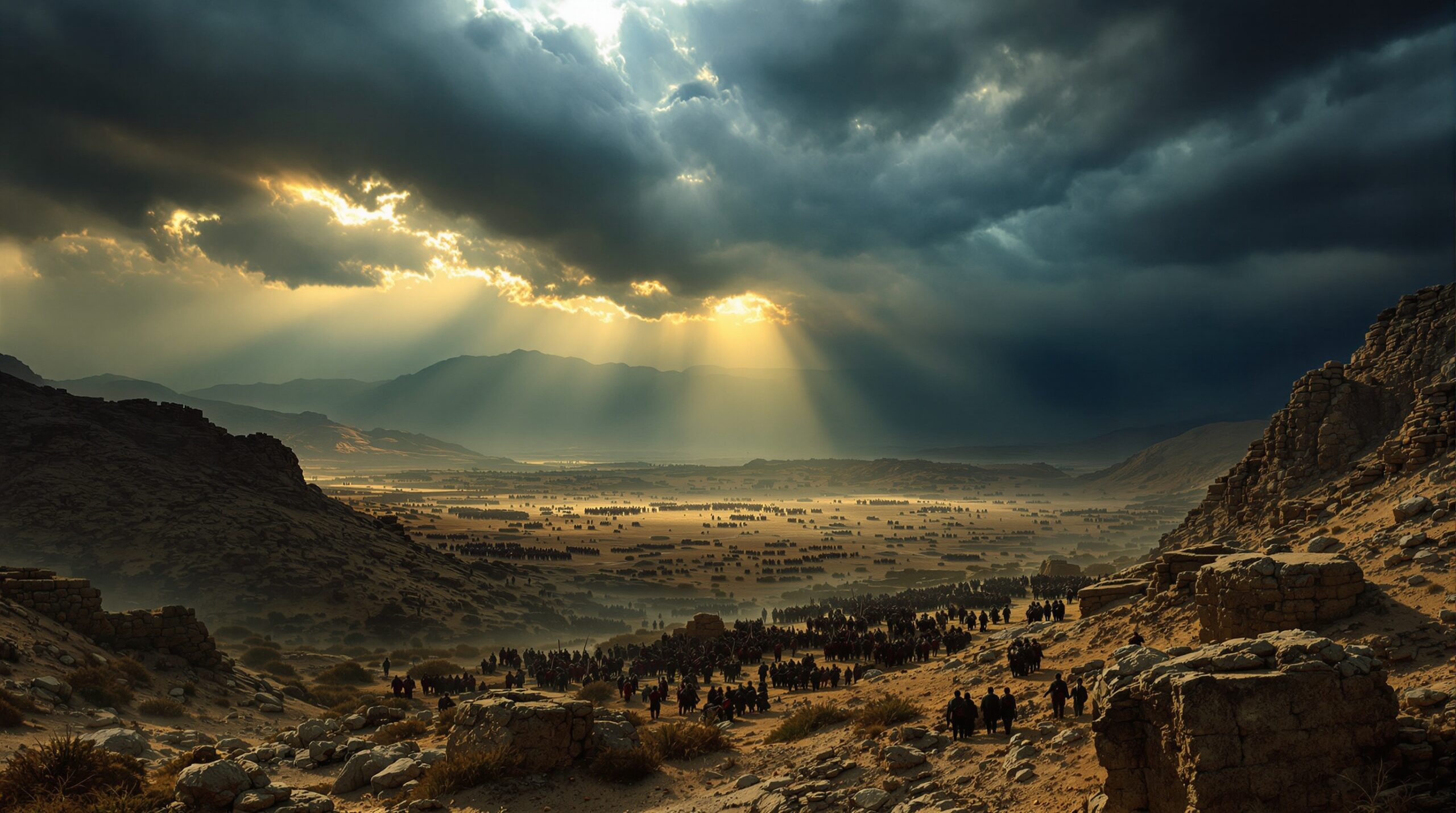
Armageddon appears only once in Scripture, yet it has become one of the most misunderstood terms in biblical prophecy. Popular culture often reduces it to Hollywood disaster scenarios rather than presenting the profound spiritual reality it represents. The word comes from Hebrew “Har Megiddo” (Mount Megiddo), referring to a real location in northern Israel where numerous decisive battles shaped the nation’s history. Understanding what does Armageddon mean requires examining this single biblical reference within Revelation’s larger prophetic vision of Christ’s return and final victory over rebellious earthly powers.
This article explores the biblical meaning of Armageddon, its geographical and historical significance, and what Scripture actually teaches about this final gathering before Christ establishes His kingdom.
Quick Answer: Armageddon means “Mount Megiddo” in Hebrew and refers to the gathering place where earthly kings assemble in final rebellion against God during the sixth bowl judgment. Christ returns to defeat these armies through His spoken word, ending humanity’s ultimate defiance of divine authority before establishing His kingdom.
Key Scripture: “And they gathered them together to the place called in Hebrew, Armageddon” (NKJV Revelation 16:16)
Context: This is Scripture’s only direct mention of Armageddon, identifying it as a gathering place rather than the battle itself.
Key Takeaways
- Armageddon comes from Hebrew "Har Megiddo" (Mount Megiddo), a strategic location in northern Israel with deep historical significance as a site of decisive battles.
- The term appears only once in Scripture (Revelation 16:16), during the sixth bowl judgment, not as a standalone event.
- Armageddon is a gathering place, not the battle itself, where armies assemble before Christ's return.
- Christ's victory is immediate and decisive, accomplished through His spoken word (Revelation 19), not conventional warfare.
- The event represents humanity's final rebellion against God's authority before the establishment of Christ's kingdom.
What Does Armageddon Mean in the Bible?
Armageddon originates from the Hebrew phrase "Har Megiddo," meaning "Mount of Megiddo." This refers to a real geographical location in northern Israel. Scripture mentions this term exactly once, in Revelation 16:16, identifying it as a gathering place rather than describing an event or battle.The context of this single reference appears within the sixth bowl judgment. The Euphrates River dries up to prepare the way for “kings from the east” (NKJV Revelation 16:12). Three demonic spirits from the unholy trinity (the dragon, the beast, and the false prophet) deceive world rulers to gather them “to the battle of that great day of God Almighty” (NKJV Revelation 16:13-14).
When we ask what does Armageddon mean, we discover it is not primarily a battle but a gathering place. Demonic deception assembles earthly rulers there for final confrontation with God’s authority, as described in Revelation 16:16. The actual defeat occurs three chapters later when Christ returns as “KING OF KINGS AND LORD OF LORDS” (NKJV Revelation 19:16). His victory is immediate. The beast and false prophet are captured and cast into the lake of fire without prolonged combat.
The symbolic significance runs deeper than geography. Armageddon represents the inevitable collision between God’s eternal kingdom and humanity’s temporary rebellion. This gathering symbolizes not just military conflict but spiritual warfare, where earthly political systems energized by demonic forces make their final futile stand against divine authority.
The Historical Significance of Megiddo
The Valley of Megiddo witnessed numerous decisive battles throughout Israel's history. Deborah and Barak defeated Canaanite forces there (NKJV Judges 5:19). King Josiah died fighting at Megiddo (NKJV 2 Kings 23:29-30), an event that traumatized Judah. This strategic location controlled the only major east-west passage through Israel's mountains, making it essential for any army wanting to dominate the region. John deliberately evokes this military history to communicate God's pattern of delivering His people through decisive victory.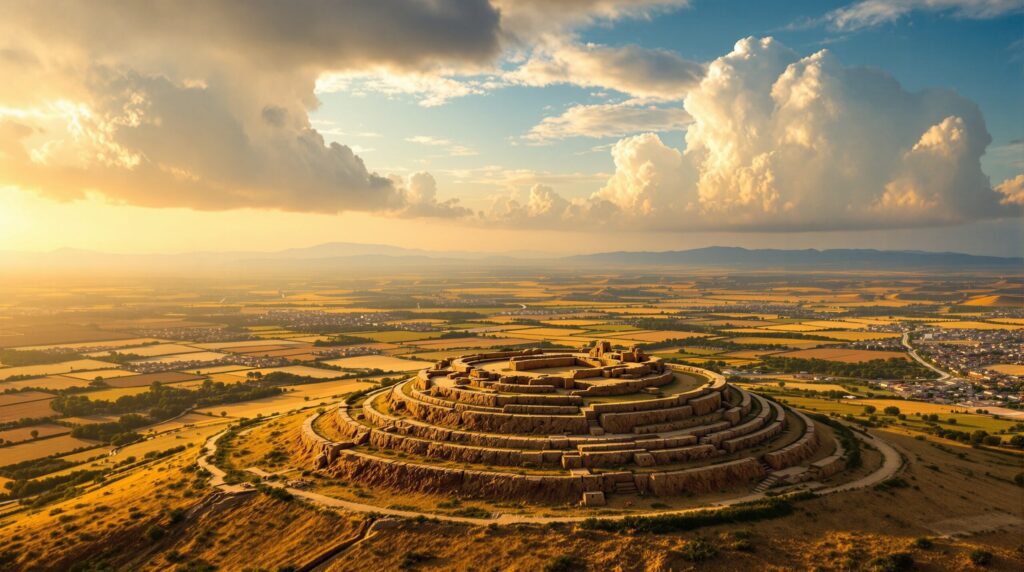
Understanding Armageddon in Revelation's Prophetic Context
Armageddon appears within the seventh cycle of judgments, the bowls of God's wrath described in Revelation 15-16. This literary positioning matters. The term sits between the sixth bowl (preparation) and seventh bowl, which announces "It is done!" (NKJV Revelation 16:17). This structural placement reveals Armageddon as the penultimate moment before divine victory, the gathering that precedes the consummation.Old Testament background proves essential for proper interpretation. Ezekiel 38-39 describes Gog’s invasion from the north and subsequent destruction on “the mountains of Israel.” Zechariah 12-14 depicts all nations gathered against Jerusalem, followed by divine deliverance. Joel 3 speaks of judgment in the Valley of Jehoshaphat. Each prophecy involves armies assembled from multiple nations, supernatural intervention, and birds feasting on corpses. This imagery directly parallels Revelation 19.
The original audience needed assurance that earthly powers opposing God face certain defeat. These persecuted Christians under Roman imperial pressure to worship Caesar received a powerful message. Rome projected overwhelming military might. Its legions seemed invincible. To worship Jesus as “King of Kings” constituted sedition in Roman eyes. Revelation presents Armageddon as the geographical focal point where human rebellion, energized by Satan’s deception, makes its final futile stand against the returning Christ.
Notice Christ’s interjection in the middle of this vision: “Behold, I am coming as a thief. Blessed is he who watches, and keeps his garments, lest he walk naked and they see his shame” (NKJV Revelation 16:15). This interruption applies prophetic vision directly to present discipleship. The point of apocalyptic prophecy is faithful living, not speculative timeline construction. Believers must maintain spiritual alertness and moral purity regardless of when Christ returns.
Why Understanding What Armageddon Means Matters for Christians Today
Understanding what does Armageddon mean provides comfort amid opposition. Earthly powers opposing God, however temporarily successful, face certain defeat. The vision assured first-century believers under Roman persecution, and it encourages believers today facing various forms of hostility. Whether outright persecution or subtle cultural pressure to compromise with anti-God systems, Christians can rest in God's sovereign control.This passage calls believers to spiritual vigilance. “Watch and keep your garments” (NKJV Revelation 16:15) means maintaining moral purity and spiritual alertness. Every generation faces pressure to accommodate prevailing ideologies that oppose biblical truth. The nations gathering at Armageddon represent power structures rejecting divine authority, a reality recurring throughout history in different forms.
Armageddon assures believers that history moves toward a goal: Christ’s visible, universal reign. This makes our present faithfulness eternally significant. This certain hope should produce patient endurance, unwavering loyalty, and joyful anticipation of His appearing. God delays judgment to allow repentance (NKJV 2 Peter 3:9), which means Christians must faithfully proclaim the gospel before that day arrives.
For readers wanting to trace how this imagery develops across Revelation’s narrative structure, Revelation Explained: Verse by Verse examines each occurrence in its immediate context and shows how John builds toward this climactic confrontation.
Common misapplications deserve attention. “Newspaper exegesis,” attempting to correlate current events with Armageddon, often reflects reading into the text rather than drawing meaning from it. Every generation has identified its contemporary crises as Armageddon’s fulfillment, invariably incorrectly. Obsession with end-times details can distract from present obedience. Jesus repeatedly emphasized readiness, not timeline prediction (NKJV Matthew 24:36, 44).
For those in Christ, Armageddon represents vindication and deliverance, not threat. The kingdoms of this world will become the kingdom of our Lord and of His Christ (NKJV Revelation 11:15). This assurance should shape how believers live today, with confidence in God’s sovereign control over history and with commitment to faithful witness regardless of opposition.
Conclusion
What does Armageddon mean? It means "Mount Megiddo," a gathering place where earthly rulers make their final stand against God, only to face immediate defeat when Christ returns. Far from the prolonged catastrophe of popular imagination, Armageddon reveals the certainty and decisiveness of Christ's victory over all opposition.This prophetic vision calls believers not to fearful speculation but to faithful endurance, knowing that our King will return to establish His kingdom forever. The assurance of Christ’s triumph should produce patient obedience, unwavering loyalty, and joyful anticipation of His appearing. We live between the promise and its fulfillment, called to watch, to keep our garments, and to proclaim the gospel until He comes.
For a deeper verse-by-verse exploration of Armageddon and Revelation’s prophetic message, see Revelation Explained: Verse by Verse by Richard French.