
Roman authorities did not send prisoners to the island of Patmos for solitude. Tacitus and Pliny the Elder confirm that small Aegean islands served as holding grounds for political and religious troublemakers whom Rome wanted silenced without the publicity of execution. Most readers know who wrote Revelation and roughly when it was written, but they skip past the circumstances behind it. The island of Patmos in Revelation specifically represents a Roman penal colony where John was banished for preaching Christ, and that setting explains the book's urgency, its solidarity with suffering believers, and its hostility toward imperial power.
This article covers the island itself, the likely charge and emperor behind John's banishment, what exile meant for him day to day, and how it shapes the seven letters that follow. For background on the author himself, Who Wrote the Book of Revelation? fills in that picture, and When Was the Book of Revelation Written? tackles the dating question this exile raises.
Quick Answer: John was exiled to Patmos by Roman authorities because of his preaching and his refusal to honor the emperor as lord. Patmos was a small, rocky penal island roughly sixty miles southwest of Ephesus, used for banishing dissidents. John states the cause himself: he was there "for the word of God and for the testimony of Jesus Christ."
Definition: The island of Patmos in Revelation refers to the Roman penal island where John was banished for his gospel witness, becoming the setting where he received the visions recorded in the book.
Key Scripture: "I John, who also am your brother, and companion in tribulation, and in the kingdom and patience of Jesus Christ, was in the isle that is called Patmos, for the word of God, and for the testimony of Jesus Christ." (KJV Revelation 1:9)
Context: The Greek preposition translated "for" in this verse signals cause, establishing banishment for gospel witness rather than a voluntary retreat.
This verse does more than locate John geographically. It explains why Revelation carries the tone it does: a letter written from custody, addressed to churches facing the same pressure that put him there. The sections below examine the island's actual conditions, what daily exile looked like, and how that reality shapes every warning and promise in chapters two and three.
Key Takeaways
- Penal island: Patmos functioned as a Roman site of banishment, not a monastery or scenic refuge.
- Stated cause: John says he was there "because of God’s Word and the testimony of Jesus Christ" (WEB Revelation 1:9).
- Likely emperor: Domitian, around AD 95, is the traditional view, though some scholars argue for a Neronian date.
- Shared suffering: John calls himself a "companion in the tribulation," placing himself alongside his readers.
- Reading effect: Exile explains why the seven letters press so hard on compromise, economic pressure, and endurance.
Key Evidence
- Roman historical record: Tacitus and Pliny the Elder both document island banishment as a standard Roman penalty for political and religious dissidents, not an rare measure.
- Textual claim: John states his own cause directly: he was on Patmos "because of God’s Word and the testimony of Jesus Christ" (WEB Revelation 1:9).
- Scholarly support: Craig Keener identifies Patmos as a place for political exiles, indicating Rome treated John's testimony as a genuine threat (Keener, NIVAC).
- Literary pattern: Ezekiel received his inaugural vision "among the captives by the river Chebar" (WEB Ezekiel 1:1), and Daniel prophesied under foreign rule (Daniel 7:1), establishing precedent for revelation given in exile.
- Thematic confirmation: G.K. Beale notes that "tribulation, kingdom, and patient endurance" summarizes the church's paradoxical existence, reigning with Christ while suffering under Rome (Beale, NIGTC).
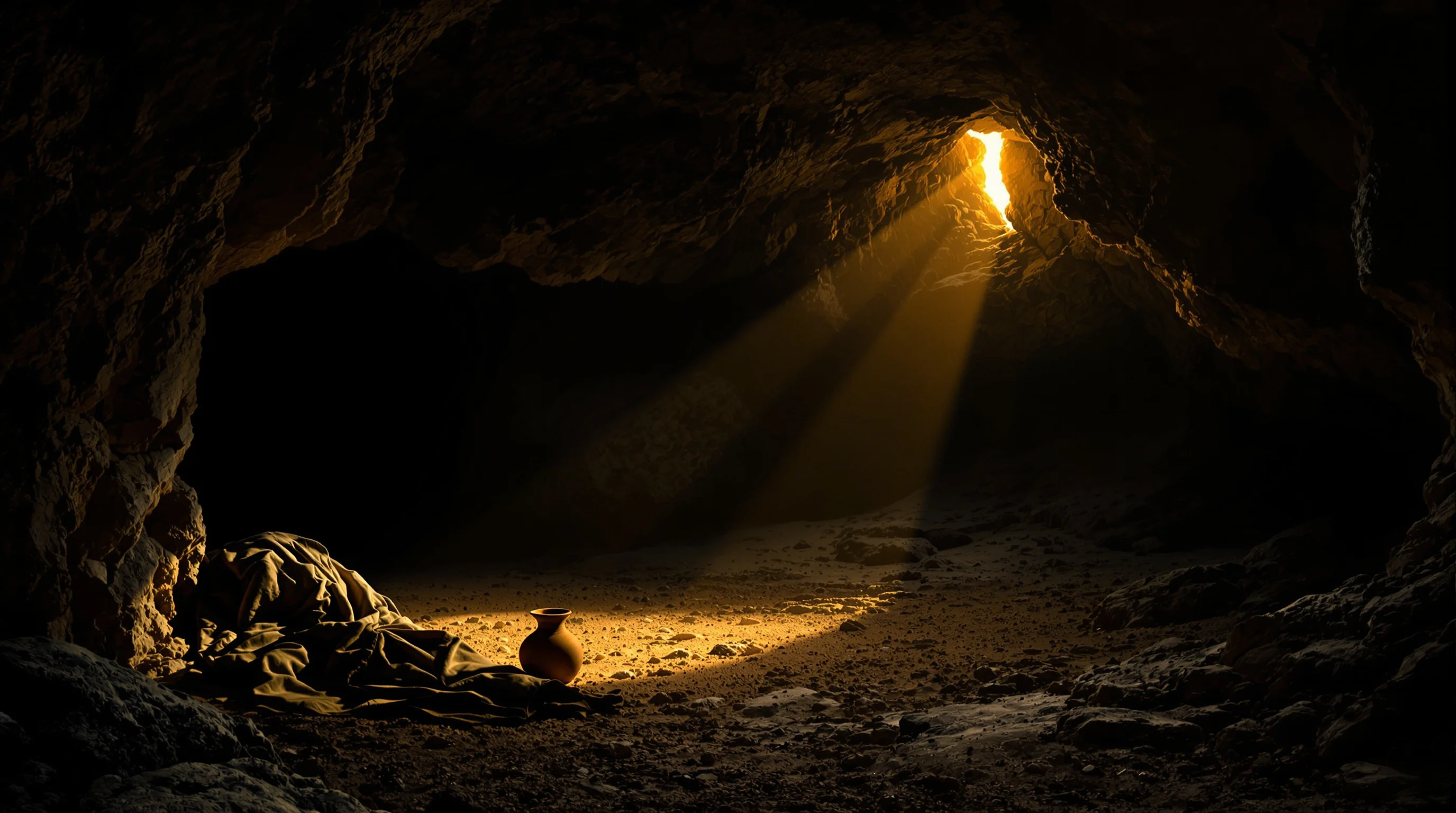
What the Island of Patmos in Revelation Actually Was
The island of Patmos in Revelation was a small volcanic island in the Aegean Sea, roughly sixty miles southwest of Ephesus, rocky and sparsely settled. Rome used two standard penalties for people it considered disruptive without warranting execution: relegatio, banishment with property retained, and the harsher deportatio, which stripped both status and property. Tacitus and Pliny the Elder both record island banishment as a routine tool of Roman justice, not an unusual sentence reserved for extreme cases.
Readers in Asia Minor would have recognized the name Patmos instantly as a punishment, which gave John's opening words immediate weight. Patmos was a working Roman penal island, which means Revelation was written from custody, not from retirement. Craig Keener notes that Patmos was a place for political exiles, and John's presence there indicates Rome viewed his testimony about Jesus as a genuine threat to the imperial order (Keener, NIVAC).
This was not the first time God met a prophet in displacement. Ezekiel received his inaugural vision "among the captives by the river Chebar" (WEB Ezekiel 1:1), establishing a pattern of revelation given in exile rather than comfort. Perhaps you've wondered why God would choose a prisoner on a forgotten rock to deliver His most vivid vision of the future. The island of Patmos in Revelation answers that question: God has always met His servants in places of restriction, not only places of ease.
The Charge and the Emperor
Scripture names the cause; history supplies the likely legal frame. Understanding both helps explain why the island of Patmos in Revelation carries such weight for the letters that follow.
- Stated cause: proclaiming the word of God and the testimony of Jesus (Revelation 1:9)
- Practical charge: refusing the imperial cult, which Rome could treat as sedition
- Likely emperor: Domitian around AD 95 by traditional dating, though some early-date advocates argue for Nero; see When Was the Book of Revelation Written?
What Exile Meant for John in Practice
Exile placed banished men under restriction on a small island, cut off from their churches, their income, and their freedom of movement. John could not visit Ephesus, Smyrna, or Laodicea, which is precisely why Christ commands him to write and send a scroll to the seven churches (Revelation 1:11).
This is where the deeper purpose of Patmos comes into focus. Exile removed John's voice from the churches that needed him most, so God replaced personal visits with a vision that could reach every congregation at once. The scroll functioned as a substitute presence, carrying apostolic authority across distance that Roman restriction could not control. In this way, the very punishment meant to silence John became the means by which his words reached further than they ever could have in person.
The risen Christ's first words to him address fear directly: "Don’t be afraid. I am the first and the last" (WEB Revelation 1:17), a command aimed at ongoing fear produced by real danger, not abstract anxiety. Grant Osborne observes that John presents himself as sharing fully in his readers' tribulation, which authenticates both his authority and his empathy (Osborne, BECNT). If you've ever wondered whether a book this strange and visionary could speak honestly into hardship, this detail matters. John was not writing from safety about other people's struggles. For readers wanting to trace this connection in detail, including how it shapes John's authorship and voice throughout the book, Revelation Explained: Verse by Verse walks through each opening verse in context.
Vision in a Place of Punishment
God met John where Rome had put him.
- Setting: "in the Spirit on the Lord’s day" (WEB Revelation 1:10)
- Pattern: Ezekiel by the Chebar, Daniel under foreign rule (Daniel 7:1)
- Implication: hardship became the location of revelation, not evidence of abandonment
How Exile Colours the Seven Letters and the Island of Patmos in Revelation
The island of Patmos in Revelation sets the tone for everything in chapters 2 and 3: a pastor under Roman penalty writing to congregations facing the same pressure. Pergamos is addressed as the place "where Satan’s throne is" (WEB Revelation 2:13), language that lands differently coming from a man banished by that same imperial system.
Smyrna hears about poverty and coming imprisonment; Laodicea hears about wealth. Trade guilds, civic festivals, and emperor worship were woven together in first-century Asia Minor, so refusing one often threatened the other. The repeated call to patient endurance comes from someone already enduring it, which removes any suggestion of advice given from safety.
Revelation reads as a letter from a pressured pastor to a pressured church, which is why its comfort has teeth. G.K. Beale notes that the phrase "tribulation, kingdom, and patient endurance" summarizes the paradoxical existence of the church, which already reigns with Christ yet suffers in a hostile world (Beale, NIGTC). The book opens by democratizing the vision: John is brother and companion before he is prophet (Revelation 1:9).
Why This Vision Matters
Knowing why John was exiled keeps Revelation grounded in real cost rather than abstract speculation. Believers facing social, economic, or legal pressure for their faith stand in a long line that includes Ezekiel, Daniel, and John. God met His prophet on a penal island, which means circumstances of loss can become settings of divine encounter rather than signs of abandonment. The island of Patmos in Revelation stands as proof that God's purposes are never limited by human restriction.
Conclusion
John was exiled to the island of Patmos in Revelation because Rome judged his testimony about Jesus a threat to imperial order, and he names that cause plainly in Revelation 1:9. It's okay if that reality sits heavy with you; faithful readers have wrestled with the cost of discipleship for two thousand years. The first voice John heard on that island told him to stop being afraid, and that word still reaches you if you're facing pressure for what you believe today. For a deeper verse-by-verse exploration of Revelation's symbols and structure, see Revelation Explained: Verse by Verse by Richard French.
Sources
- Revelation 1:1-20
- Ezekiel 1:1-3; 3:12-14
- Daniel 7:1; 10:1-9
- Revelation 2:13
- G.K. Beale, The Book of Revelation: A Commentary on the Greek Text (NIGTC)
- Craig Keener, Revelation (NIV Application Commentary)
- Grant Osborne, Revelation (Baker Exegetical Commentary on the New Testament)
- Robert Mounce, The Book of Revelation (NICNT)
- David Aune, Revelation 1-5 (Word Biblical Commentary)