Some Bible teachers are remembered for their brilliance. A few are remembered for something rarer: being impossible to misunderstand.
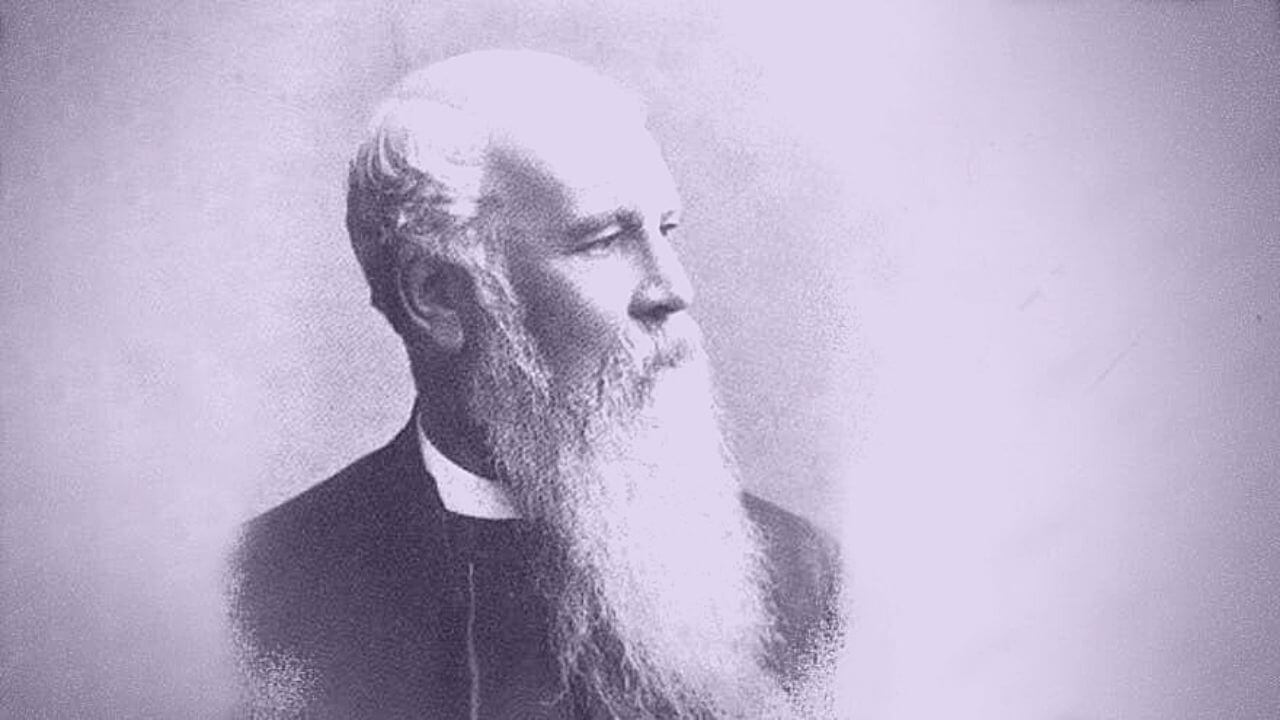
John Charles Ryle belongs to the second group. For over 150 years, readers have described his books with the same word: plain. Plain in the way a well-marked trail is plain. You always know where you are and where he is taking you.
If you have spent time on this site, you already know why that matters to me. Revelation was not written to baffle you. Neither was any other book of the Bible. Ryle built his entire ministry on that conviction, and his story is worth knowing.
The Man Who Had Everything, Twice Lost It All
Ryle was born in 1816 into serious money. His family owned a bank. He was educated at Eton, then Oxford, where he captained the cricket team and planned a career in politics. By his own account, he attended church out of habit and lived, in his words, "without God in the world."
Two events broke that life open.
The first came in 1837, during his final year at Oxford. A severe chest infection put him in bed for weeks, and for the first time he began reading his Bible in earnest. Shortly after recovering, he sat in a small parish church and heard the Scripture reading from Ephesians 2. The reader paused between the phrases: "For by grace you have been saved through faith, and that not of yourselves; it is the gift of God" (Ephesians 2:8, NKJV). Ryle later said those pauses gave the words time to land. He walked out of that service a different man. Decades later, the same verse was carved on his tombstone.
The second event came in 1841. His father's bank collapsed overnight. The estates were sold, the fortune vanished, and the political career died with it. Ryle entered the ministry of the Church of England, as he admitted, partly because it was the only door still open. God has used stranger invitations.
Written for Farmers, Not Professors
Ryle spent nearly four decades as a pastor in small rural parishes. His congregations were farmers, laborers, and families who read by candlelight. That audience shaped everything he wrote.
In 1856 he began publishing Expository Thoughts on the Gospels, short passage-by-passage commentaries on Matthew, Mark, Luke, and John. He designed them to be read aloud at the family dinner table. He said his goal was writing that a child could follow and a scholar could not dismiss. Charles Spurgeon, no small judge of preaching, called Ryle "the best man in the Church of England."
In 1880 he became the first Bishop of Liverpool, spending his final twenty years preaching to dockworkers in one of the grittiest industrial cities on earth. He died in 1900. His books never went out of print.
What Ryle Believed About Prophecy
Here is the part of Ryle's story most readers never hear, and the reason he belongs on this site.
Ryle held strong convictions about the end times, and he laid them out in a little book called Coming Events and Present Duties. His approach will sound familiar to anyone who has read Revelation Explained.
He believed Christ will return personally, visibly, and bodily. He believed prophecy should be read the same way the prophecies of Christ's first coming were read: plainly. Those first-coming prophecies were fulfilled literally, down to the town of Bethlehem and the thirty pieces of silver. Ryle argued that fulfilled prophecy is God's own lesson in how to read unfulfilled prophecy.
At the same time, he had no patience for date-setters and chart-makers. He watched teachers in his own day map every newspaper headline onto the book of Revelation, and he called it what it was: a distraction that embarrassed the church and exhausted the faithful.
Ryle saw two errors in the church, and he rejected both. One camp treated prophecy as a puzzle to be solved by the clever. The other camp quietly shelved it as too confusing to touch. His answer to both was identical: read the text, take it plainly, and let it change how you live today. The word "duties" in his book title was not decoration. For Ryle, every prophetic truth ends in a practical response.
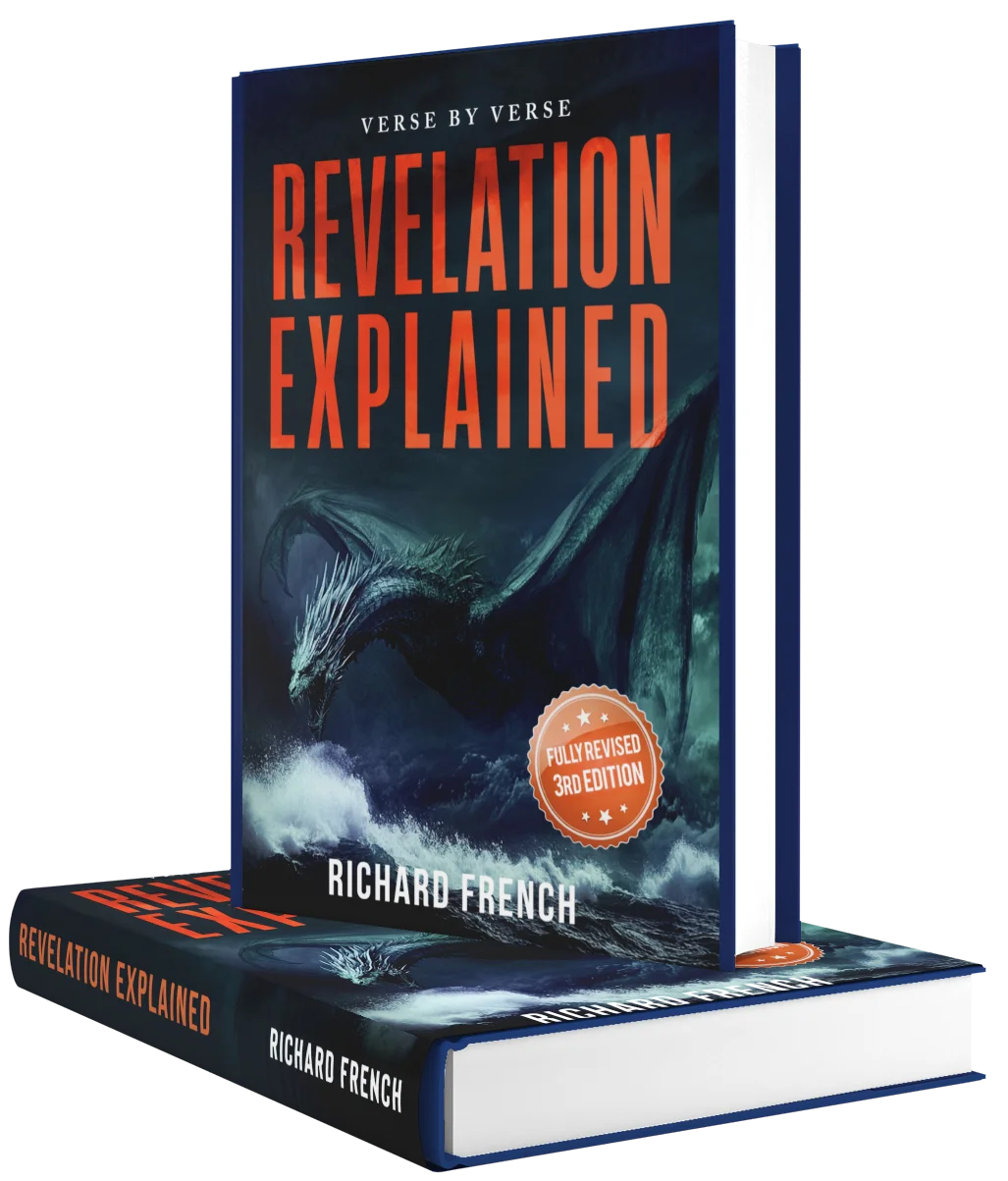
If that sounds like the approach behind this site, it should. I found in Ryle a 19th-century ally I did not know I had.
Why I Am Telling You This Now
I have been spending serious time in Ryle's Gospel commentaries over the past several months, and an idea has taken hold that I want to test with you.
Ryle believed the Christian who studies the end of the story should know the beginning just as well. The King who returns in Revelation 19 first arrived in Matthew 1. Ryle spent his life making both arrivals plain to ordinary readers, and his Matthew commentary remains one of the warmest, most direct walks through a Gospel ever written.
So here is the project I am exploring: a modern study companion built around Ryle's Expository Thoughts on Matthew. Structured weekly sessions. Honest discussion questions. A built-in fifteen-minute family option, honoring Ryle's original dinner-table design. Everything keyed to Ryle's own passage divisions, so it works with any edition of his commentary you own, including the free ones. The same goal as everything else I make: no seminary degree required.
I have not built it yet. Whether I do depends on whether readers like you want it.
If a study companion to Ryle's Matthew interests you, tap the button below. You will be added to a notification list for this project only, and you will be the first to know if and when it opens. No commitment, no spam, just a raised hand.
NOTIFY ME WHEN THE RYLE STUDY COMPANION OPENS
J.C. Ryle's writings, including Expository Thoughts on the Gospels and Coming Events and Present Duties, are in the public domain and freely available. His voice, a century and a quarter after his death, remains one of the plainest in the English-speaking church. Few legacies age that well.