When first-century Christians faced persecution under Roman emperor worship, they needed assurance that history was moving toward God’s victory, not Caesar’s. The Book of Revelation answered that need and continues to answer our questions about the end of time today. Revelation provides Scripture’s most extensive teaching on history’s conclusion, addressing Christ’s return, final judgment, and the eternal state that follows. This article examines what Revelation actually teaches about the sequence of events at the end of time, interpretive approaches that create timeline debates, and what these prophecies mean for believers navigating today’s challenges.
Quick Answer: Revelation teaches that the end of time culminates in Christ’s visible return to earth, the resurrection and final judgment of all humanity, the defeat and eternal punishment of Satan and his followers, and the creation of new heavens and a new earth where God dwells forever with His redeemed people in restored paradise.
Key Scripture: “Now I saw a new heaven and a new earth, for the first heaven and the first earth had passed away. Also there was no more sea. Then I, John, saw the holy city, New Jerusalem, coming down out of heaven from God, prepared as a bride adorned for her husband. And I heard a loud voice from heaven saying, ‘Behold, the tabernacle of God is with men, and He will dwell with them, and they shall be His people. God Himself will be with them and be their God.’” (NKJV Revelation 21:1-3)
Context: This vision reveals God’s ultimate plan involves not escape from physical creation but its transformation and renewal.
Key Takeaways
- Christ's return will be visible and universal. Every eye will see Him, making it impossible to miss or misinterpret as a secret event
- Sequential judgments unfold through seals, trumpets, and bowls, each series intensifying until Christ achieves complete victory over evil
- Final judgment at the Great White Throne divides all humanity based on whether their names appear in the Book of Life
- Death itself dies when cast into the lake of fire as the last enemy destroyed, fulfilling God's promise to abolish mortality
- New creation merges heaven and earth in a restored universe where God dwells eternally face-to-face with His people
The Sequence of Events in Revelation's End of Time Vision
Revelation presents the end of time as a deliberate sequence. Christ returns visibly to earth, Satan is bound for a thousand years, final rebellion is crushed, all the dead face judgment at the Great White Throne, and God creates new heavens and a new earth where righteousness dwells forever. The structure of chapters 6 through 22 organizes these events through three judgment series: seals, trumpets, and bowls. These series recapitulate and intensify rather than presenting purely sequential moments.The apostle John describes Christ’s return with unmistakable clarity: “Behold, He is coming with clouds, and every eye will see Him, even they who pierced Him. And all the tribes of the earth will mourn because of Him” (NKJV Revelation 1:7). The Greek verb erchetai uses present tense, indicating absolute certainty rather than speculation. This return inaugurates the sequence of events at the end of time, beginning with Satan’s defeat and binding described in Revelation 20:1-2: “Then I saw an angel coming down from heaven, having the key to the bottomless pit and a great chain in his hand. He laid hold of the dragon, that serpent of old, who is the Devil and Satan, and bound him for a thousand years” (NKJV).
Following this millennial period, whether understood literally or symbolically, comes a brief final rebellion. Divine fire immediately crushes it. Then appears the Great White Throne judgment, where Christ sits as judge over all humanity. The climax of history arrives in chapters 21-22 with the descent of the New Jerusalem and the creation of new heavens and a new earth, where God makes His dwelling with humanity forever.
The Final Judgment and the Book of Life
The Great White Throne judgment in Revelation 20:11-15 describes the most solemn moment in human history. John writes, "And I saw the dead, small and great, standing before God, and books were opened. And another book was opened, which is the Book of Life. And the dead were judged according to their works, by the things which were written in the books" (NKJV Revelation 20:12). This judgment examines works as evidence of genuine faith while the Book of Life determines eternal destiny based on relationship with Christ.Then comes the final victory: “Then Death and Hades were cast into the lake of fire. This is the second death” (NKJV Revelation 20:14). Death itself dies, fulfilling Paul’s declaration that death is the “last enemy” to be destroyed. This marks the absolute end of time as we know it.
Understanding Revelation's End of Time Message in Context
Revelation's prophecies about the end of time assured persecuted first-century believers that the seemingly invincible Roman Empire would fall under divine judgment. Their temporary suffering would yield eternal glory, and history was moving toward Christ's triumph rather than Caesar's. The original audience faced intense pressure from Roman imperial worship. Emperor Domitian demanded citizens declare "Caesar is Lord" and offer incense at imperial altars. Christians whose confession was "Jesus is Lord" faced economic exclusion, social ostracism, and periodic execution.Revelation 13:16-17 describes receiving the mark of the beast, which enabled buying and selling, while refusal meant professional ruin. Trade guilds required participation in festivals honoring patron deities and the emperor. Christians who excluded themselves lost their livelihoods. John himself wrote from exile on Patmos, banished for his testimony. Martyrs like Antipas of Pergamum had already been killed (NKJV Revelation 2:13), and souls under the altar cried out for vindication (NKJV Revelation 6:9-11).
Revelation’s imagery draws heavily from Old Testament apocalyptic literature. Daniel’s visions provided templates for understanding beasts representing kingdoms and the resurrection followed by judgment. Ezekiel contributed the throne vision and the battle of Gog and Magog. Isaiah’s prophecy of new heavens and new earth (NKJV Isaiah 65:17, 66:22) directly informs Revelation 21:1. Zechariah’s four horsemen reappear in Revelation 6. This apocalyptic genre reveals heavenly realities behind earthly circumstances, providing hope that present suffering fits within God’s sovereign plan.
Why Timeline Debates Exist Among Interpreters
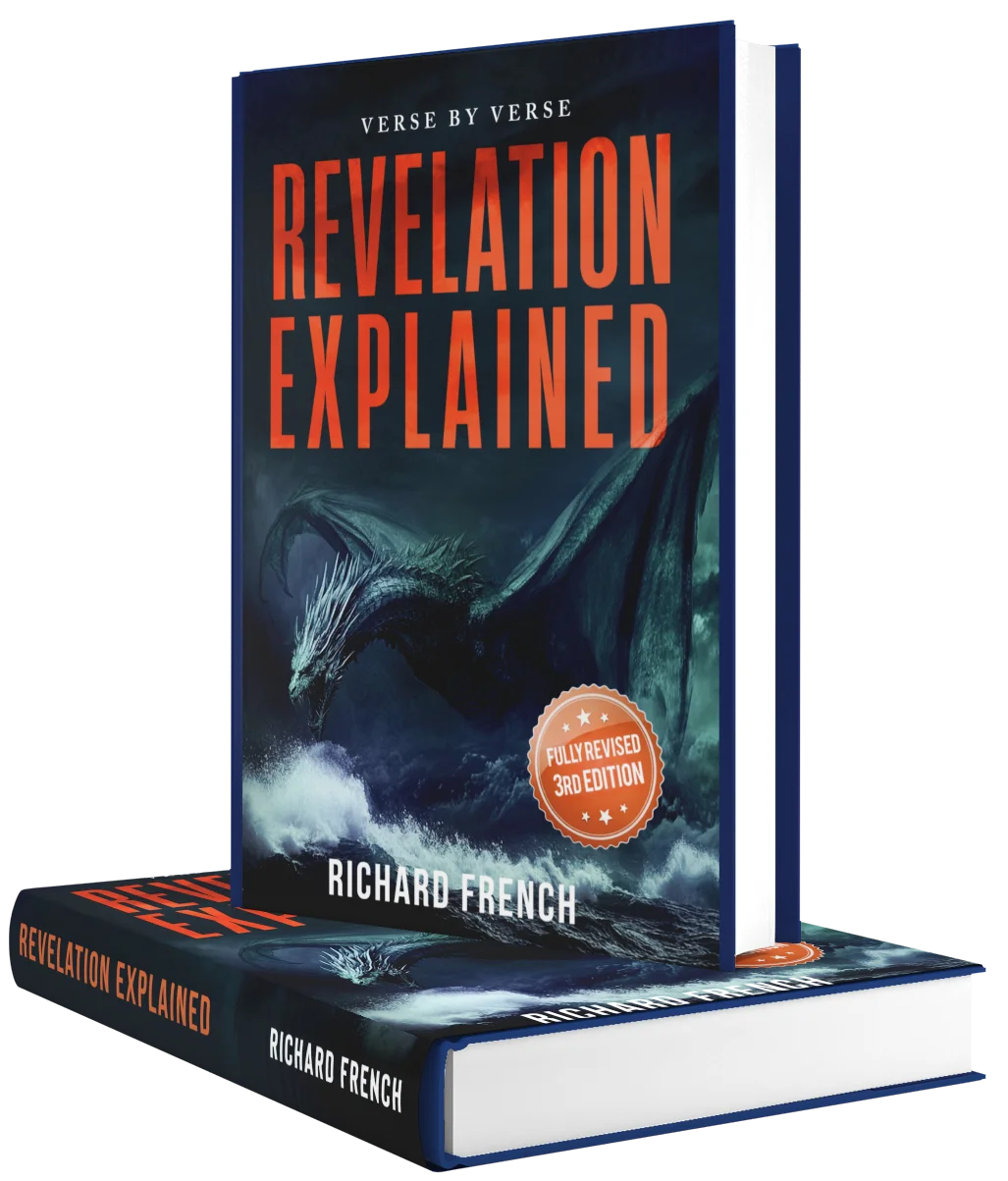
Four major interpretive frameworks create ongoing debates about Revelation's timeline for the end of time. Preterists view most prophecies as fulfilled in the first century, particularly through Rome's persecution and Jerusalem's destruction in 70 AD. Historicists see Revelation outlining church history from John's era to Christ's return. Futurists hold that chapters 4-22 primarily describe events still future. Idealists interpret Revelation as timeless spiritual principles about good versus evil applicable in every age.Despite these differences, all orthodox interpreters agree on essentials: Christ’s physical return, final judgment, believers’ bodily resurrection, and eternity with God. For a detailed examination of how these interpretive traditions approach specific passages throughout the book, Revelation Explained: Verse by Verse provides analysis of each major prophetic section.
Why Revelation's Teaching About the End of Time Matters for Christians Today
The promise of new heavens and a new earth in Revelation 21 reveals that God's plan involves not the abandonment of physical creation but its transformation. Believers will experience eternal life in a restored, perfected material universe where heaven and earth merge. This truth about the end of time shapes how Christians live today.Revelation repeatedly calls believers to “patient endurance” (NKJV Revelation 1:9, 13:10, 14:12), understanding that faithfulness amid present trials yields eternal reward. The certainty of Christ’s return strengthens resistance to both despair when facing injustice and retaliation when wronged.
The central conflict in Revelation concerns worship. Will believers bow to cultural “beasts” demanding ultimate allegiance, or remain faithful to the Lamb? This applies wherever ideologies, consumerism, or nationalism demand loyalty that belongs only to God. The promise of eternal vindication strengthens resolve to resist modern equivalents of the imperial cult, even at personal cost. Christ’s repeated declaration that He comes “quickly” (NKJV Revelation 3:11, 22:7, 22:12, 22:20) motivates holy living and evangelistic urgency, though God’s “quickly” operates on divine rather than human timelines.
The vision of renewed creation produces cultural engagement rather than escapism. Believers aren’t called to abandon the world but to serve as faithful stewards anticipating its transformation. This truth about the end of time creates environmental responsibility, meaningful work, and investment in relationships and communities. Nothing done in faithfulness to Christ is wasted, since the new earth represents continuity with this one, purified and perfected.
Avoid common misapplications of prophecy about the end of time. Never set dates for Christ’s return, which Scripture explicitly condemns (NKJV Matthew 24:36). Don’t let fear-based fascination with the antichrist overshadow hope in Christ’s victory. Resist passive withdrawal from society while awaiting the end. Stop identifying every contemporary crisis as “the end,” which produces cynicism when Christ delays. Use prophecy as motivation for evangelism and holy living, not as a weapon for condemning those outside the faith.
Conclusion
Revelation's teaching on the end of time offers both precision and mystery. We know with certainty that Christ returns, judgment comes, evil is defeated, and God creates new heavens and new earth, even while debates continue about specific timelines and the millennium's nature. The pastoral purpose goes beyond prophetic curiosity. These visions encourage faithfulness amid suffering by revealing the certainty of God's ultimate victory.The final vision of Revelation 21:3-4 describes God dwelling with humanity, wiping away every tear, and abolishing death and pain. This represents history’s goal and every believer’s confident hope. Live with assurance rather than anxious speculation, and remain faithful regardless of earthly cost, knowing Christ’s return is certain. For a deeper verse-by-verse exploration of Revelation’s prophecies about the end of time, see Revelation Explained: Verse by Verse by Richard French.