The Book of Revelation opens with a striking declaration: “The Revelation of Jesus Christ, which God gave Him to show His servants” (NKJV Revelation 1:1). Here, God’s revelation appears not as a mystery to decode but as a divine unveiling—God actively pulling back the curtain on spiritual reality. In a world of competing claims and hidden agendas, Christians need clarity about how God communicates His character, will, and redemptive plan. This article explores the biblical concept of God’s revelation, examining how the Book of Revelation demonstrates this divine disclosure, what Scripture teaches about how God makes Himself known, and why this matters for believers today.

Quick Answer: God’s revelation is the divine act of making Himself known to humanity—disclosing His character, will, and redemptive purposes through creation, Scripture, and supremely through Jesus Christ. The Book of Revelation represents this apocalyptic unveiling, showing believers the spiritual realities behind earthly struggles and God’s assured victory.
Key Scripture: “The Revelation of Jesus Christ, which God gave Him to show His servants—things which must shortly take place” (NKJV Revelation 1:1)
Context: The Greek word apokalypsis means “uncovering” or “unveiling,” emphasizing that God intentionally discloses what was previously hidden.
Key Takeaways
- Divine initiative: God's revelation is His active self-disclosure, not human discovery or speculation about the divine.
- Christ-centered content: All biblical revelation points to and reveals Jesus Christ as God's supreme communication.
- Multiple means: God reveals Himself through creation, Scripture, prophecy, and historical acts of redemption.
- Practical purpose: Revelation equips believers for faithful endurance by showing reality from heaven's perspective.
- Response required: This divine disclosure demands worship, obedience, and witness, not mere intellectual curiosity.
What Does the Bible Say About God's Revelation?
Revelation 1:1 establishes the book as apokalypsis—an unveiling of Jesus Christ that God intentionally gives to His servants. This term emphasizes divine initiative in self-disclosure. The word "revelation" means God pulls back the curtain on spiritual realities: Christ's present authority among the churches (1:12-20), heavenly worship (4:1-11), and the certainty of His return (22:12-13). This unveiling exposes what human eyes cannot naturally see—the throne room of heaven, the spiritual warfare behind earthly struggles, and the assured triumph of God's purposes.Creation itself functions as revelation: “You are worthy, O Lord, to receive glory and honor and power; for You created all things” (NKJV Revelation 4:11). The created order displays God’s power and purposeful design, making His attributes visible to all people. Scripture serves as written revelation: “Blessed is he who reads and those who hear the words of this prophecy, and keep those things which are written in it” (NKJV Revelation 1:3). This beatitude connects believers to God’s disclosed truth through the written word, with blessing promised to those who respond appropriately.
The sealed scroll imagery (Revelation 5:1-5) shows that certain aspects of God’s plan remained hidden until Christ’s redemptive work earned Him authority to unveil divine purposes for history. Only the Lamb who was slain possesses the right to open the scroll and execute God’s plan. God’s revelation in Scripture is not human speculation about the divine but God’s intentional act of unveiling spiritual reality, with Jesus Christ as both the revealer and the primary content of what is revealed.
Christ as the Ultimate Revelation
Revelation 19:10 declares "the testimony of Jesus is the spirit of prophecy"—all genuine divine disclosure centers on and points to Christ. Jesus identifies Himself as "the Alpha and the Omega, the Beginning and the End...the Almighty" (NKJV Revelation 1:8), claiming eternal sovereignty and complete authority over history. The Book of Revelation is fundamentally "the Revelation of Jesus Christ," making Him both the source and subject of what God discloses. Every vision, judgment, and promise finds its meaning in relation to Christ's character and redemptive work.Understanding How God Reveals Himself
First-century believers faced Roman imperial propaganda claiming Caesar as divine. God's revelation provided counter-truth showing Christ's supreme authority when political powers appeared invincible. The original seven churches needed this unveiling to see beyond immediate persecution and compromise—to understand the spiritual warfare behind earthly pressures, recognizing that their struggles involved cosmic forces, not merely human opposition.Old Testament background enriches this understanding. Daniel’s sealed prophecies (Daniel 12:4) contrast with Revelation’s unsealed message (22:10), indicating fulfillment time had arrived in Christ. The apocalyptic genre functions as resistance literature, unmasking false claims of earthly powers and revealing God’s sovereign control despite appearances. When Rome demanded worship and economic compliance, Revelation disclosed the spiritual bankruptcy of imperial claims.
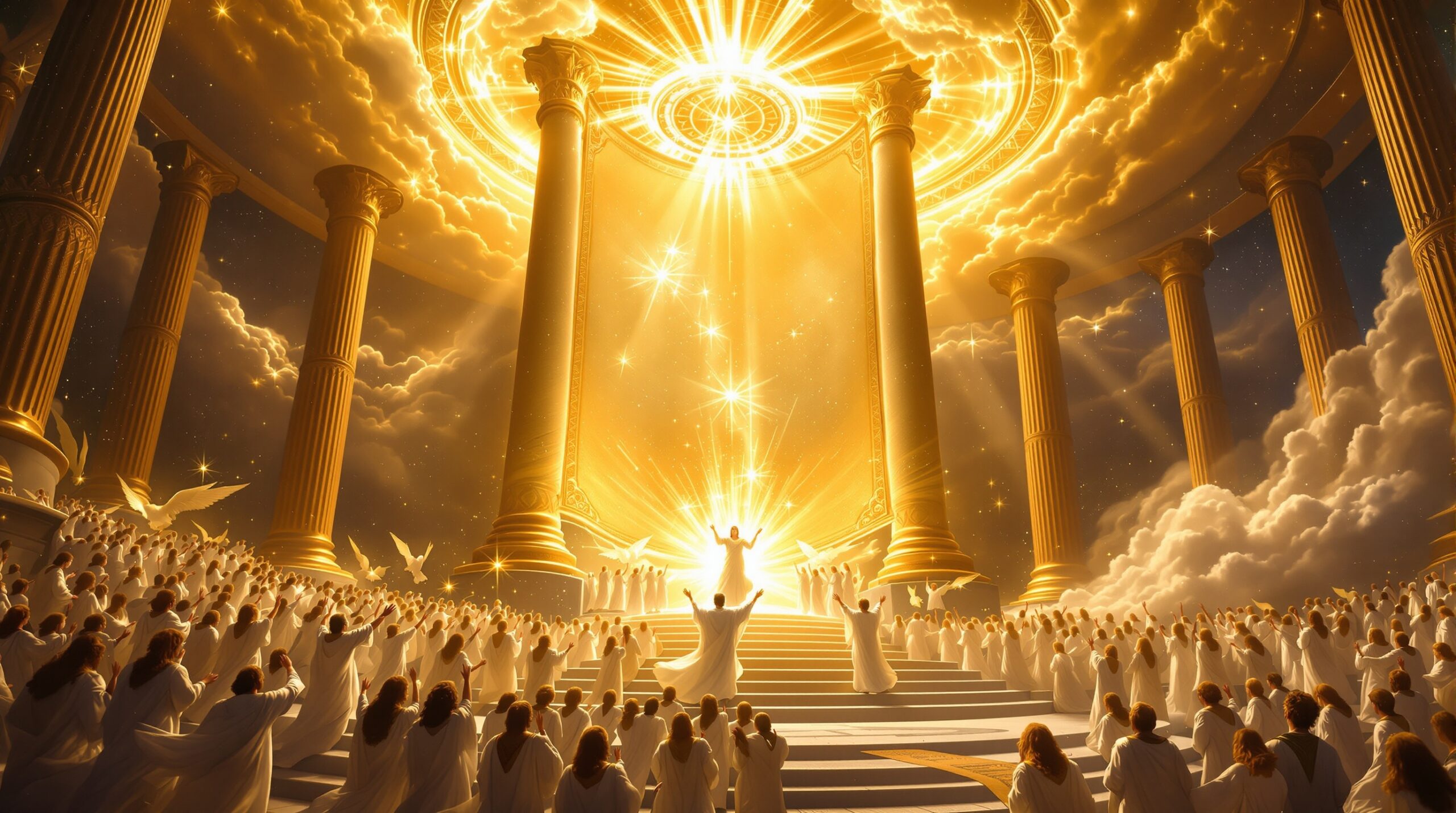
The throne room vision (Revelation 4-5) reveals heaven’s perspective: while Rome appeared invincible, heavenly worship acknowledged God’s true authority and the Lamb’s worthiness to execute history’s plan. John received this revelation while exiled on Patmos (1:9), demonstrating that God’s self-disclosure often comes to His people in suffering, equipping them to endure rather than removing hardship immediately. For readers wanting to trace how this imagery develops across Revelation’s narrative, Revelation Explained: Verse by Verse examines each occurrence in its immediate context.
The Book of Revelation functions as divine disclosure that reveals the spiritual reality behind earthly events. It shows first-century believers—and Christians throughout history—that Christ reigns sovereign despite persecution, compromise, or apparent defeat.
Why God's Revelation Matters for Christians Today
Revelation provides certainty in uncertain times. Knowing that God has disclosed His sovereign plan over history gives believers confidence when circumstances suggest chaos or evil's triumph. The visions assure us that present struggles fit within God's purposes, that suffering has meaning, and that victory is certain because Christ has already conquered through His death and resurrection.This divine disclosure demands faithful witness. Understanding reality from heaven’s perspective empowers Christians to resist cultural compromise and endure opposition, following the pattern of faithful witnesses in Revelation’s church letters. The messages to the seven churches show believers how to maintain testimony amid pressure to conform, whether through overt persecution or subtle accommodation to worldly values.
God’s revelation calls for worship and awe. The repeated heavenly worship scenes (4:8-11; 5:9-14; 7:9-12) model the appropriate response when God unveils His holiness and Christ’s glory. Worship isn’t merely emotional expression but the proper acknowledgment of who God truly is based on what He has revealed about Himself. These scenes invite readers into a reality where God receives the honor He deserves.
Knowing the unveiled future motivates holy living. Revelation’s disclosure of coming judgment (20:11-15) and the New Jerusalem’s beauty (21:1-27) should shape present behavior and priorities. The contrast between those whose names appear in the Lamb’s Book of Life and those excluded from the holy city creates urgency for both personal holiness and evangelistic witness. Understanding where history leads influences how we live today.
Revelation exposes the emptiness of worldly powers and ideologies just as it unmasked Rome’s false claims. God’s revelation helps modern believers discern which cultural narratives oppose God’s kingdom, whether political movements demanding absolute allegiance, economic systems requiring moral compromise, or religious ideas contradicting Scripture. The book provides categories for identifying spiritual deception across cultures and eras. For those exploring the beast system and its modern implications, the pattern of state power opposing God’s people remains relevant.
Patient endurance flows from proper understanding. Grasping God’s revealed plan doesn’t guarantee immediate deliverance but provides confident waiting: “Here is the patience of the saints” (NKJV Revelation 13:10; 14:12). The martyrs under the altar (6:9-11) were told to rest a little while longer, demonstrating that revelation equips us for faithful waiting, not instant rescue. God’s disclosure teaches us that His timing serves purposes we may not fully grasp.
Avoid treating Revelation as a puzzle to decode rather than truth to obey. Don’t focus only on future prediction while ignoring present spiritual realities, or use prophetic interpretation as a test of orthodoxy. God’s revelation in the Book of Revelation equips believers not with a detailed timeline of future events but with a heavenly perspective on present struggles, enabling faithful endurance through the certainty that Christ reigns and will return victorious. Those interested in the book’s historical context will find the dating question influences but doesn’t determine its application.
Conclusion
God's revelation is His gracious self-disclosure—making known His character, will, and redemptive purposes through creation, Scripture, and supremely through Jesus Christ. The Book of Revelation represents the culmination of biblical revelation, unveiling the risen Christ's present authority and certain future victory. Believers today need not remain in darkness about spiritual reality. God has spoken clearly, providing everything necessary for faithful living and confident hope.Whether facing persecution, compromise, or complacency, Christians can trust that the One who sits on the throne has revealed enough for us to worship rightly, witness boldly, and wait patiently for His return. The unveiled Christ walks among His churches now, evaluating and encouraging His people. The throne room worship continues as creation acknowledges its Creator. The scroll’s seals are opened by the worthy Lamb, unfolding God’s purposes toward their completion.
For a deeper verse-by-verse exploration of how God reveals Himself throughout the Book of Revelation, see Revelation Explained: Verse by Verse by Richard French.