This week's issue is about misreadings, honest ones included.
Some readers approach Revelation convinced it all happened in the first century. That view has a name, a history, and better arguments than its critics usually admit, so we start by explaining preterism on its own terms. From there we turn to one of the most sobering images in all of Scripture, the Lake of Fire, and sort out what the text actually says from what tradition has added to it. And we close the study section with a genuine mystery: the Nicolaitans, a group Jesus names twice in the letters to the churches without ever telling us exactly who they were.
Three very different questions, one working method: read the text plainly, and follow the symbols back to their biblical roots. At the end of this issue, I want to introduce you to a 19th-century bishop who practiced that method long before any of us, and ask for your opinion on a project I'm considering.
What a 19th-Century Bishop Got Right About Reading Prophecy
In 1867, a country pastor named J.C. Ryle published a small book called Coming Events and Present Duties. He was not a prophecy speculator. He never set dates, never mapped headlines onto Revelation, and openly distrusted teachers who did. Yet he held convictions about the end times that sound strikingly familiar to anyone who reads this newsletter.
Ryle believed Christ would return personally and visibly. He believed prophecy should be read plainly, the same way we read the prophecies of Christ's first coming, which were fulfilled literally, down to the details. And he believed the church of his day made two opposite mistakes: one camp obsessed over prophetic charts, while the other quietly filed Revelation away as too confusing to bother with.
His answer to both camps was the same. Read the text. Take it plainly. Let fulfilled prophecy teach you how to read unfulfilled prophecy.
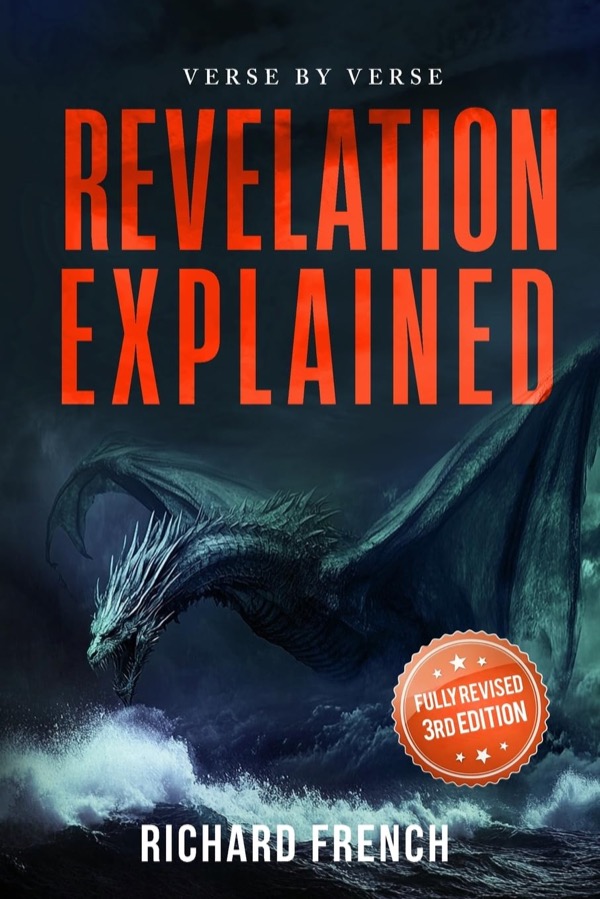
If that approach sounds familiar, it should. It is the same conviction behind Revelation Explained: the book was not written to baffle you, and its symbols make sense when you trace them back to their biblical roots.
But here is what surprises most people about Ryle. The man was best known in his own lifetime for something else entirely: a series of short, plain commentaries on the four Gospels, written so clearly that he said a child should be able to follow them. Farmers read them by candlelight. Families read them aloud at the dinner table. Charles Spurgeon called Ryle "the best man in the Church of England."
Ryle believed the Christian who studies the end of the story should know the beginning just as well. The same King who returns in Revelation 19 first arrived in Matthew 1, and Ryle spent his life making both arrivals plain to ordinary readers.
I have been spending time in Ryle's Gospel commentaries recently, and I am exploring a project built around them: a modern study companion that would do for Ryle's Matthew what Revelation Explained does for John's Apocalypse. Clear structure, honest questions, no seminary degree required.
If a study companion to a classic Gospel commentary interests you, I would like to know. Tap the link below and read a short piece on who Ryle was and why his voice still lands 170 years later. That is all; clicking simply tells me there is interest.
👉 Meet J.C. Ryle: The Plainest Preacher in England →
That's the issue. Three misreadings untangled, and one old bishop who would have approved of the method.
If the Ryle piece sparked something, tap the link above and raise your hand; it takes two seconds and tells me exactly what I need to know. And if this issue helped you read Revelation more clearly, forward it to someone who finds the book intimidating. That's how most readers find their way here.
Next Friday we go back to the text.
Grace and peace,
Richard