Revelation Report
Revelation Report: Three Ways Christians Read Revelation
October 16, 2026
Open a conversation about Revelation and you will hit it within minutes. Someone insists the beast is the papacy. Someone else says the whole book is about Rome in the first century. A third person says it is a cosmic parable about every age. A fourth is waiting for the rapture. They are not all reading different Bibles. They are reading the same text through different interpretive lenses, and knowing which lens is in play changes everything about what a verse is thought to mean. This week’s Report walks three of the four classical views: Historicism, Idealism, and Futurism. What each one claims, where it comes from, and which verses it reads most convincingly. Preterism, the fourth view, has its own post in the archive. Read them together. You will come away with a map of how your fellow Christians read the book, and a clearer sense of why your own reading sits where it sits.
Where I Land, and Why
You have probably noticed that this Report walks the four views without picking one. That is deliberate for a Report. A newsletter is a place to see the lay of the land. A book is a place to make a case. Revelation Explained: Verse by Verse does make a case, so I want to be honest about where it lands and why.
My own reading is Futurist. Faithful Christians have read Revelation through all four lenses for centuries, so my reasons for landing here are not about dismissing anyone. The reasons are textual. Revelation 1:19 divides the book into "the things which are" (the letters to the seven churches) and "the things which will take place after this" (chapters 4 through 22). Jesus's own Olivet Discourse reads the same way, as prophecy still unfolding. And the central promise of the book, that Christ has already won, lands most heavily when the storm it describes is still ahead of us. The outcome is settled. The timing is not.
The full case lives in the first four chapters of Revelation Explained: Verse by Verse, before the verse-by-verse walk begins. If you have wanted to see the Futurist reading laid out alongside the other three traditions, that is where to look.
Featured Articles
What Is Historicism? The Interpretive View Explained
Ever wondered why old Protestant commentaries say the beast is the papacy and the 1,260 days are centuries? That's historicism revelation, a forgotten key unlocking centuries of sermons, hymns, and co…

Read more → October 15, 2026
What Is Idealism? The Interpretive View Explained
What if Revelation was never meant to predict dates at all? One Greek word, esemanen, meaning "signified", hints at a symbolic code hiding in plain sight, revealing what preterism, historicism, and fu…

Read more → October 14, 2026
What Is Futurism? The Interpretive View Explained
Ever wonder why your pastor preaches Revelation as future events, not past history or church ages? There's a name for that lens, and knowing it changes everything about how you read prophecy.
Read more → October 12, 2026
Honest Bible study starts with knowing which lens you are using. All four views have held faithful Christians for centuries. The question is not which one is permitted. The question is which one lets the text speak most clearly on its own terms.
Grace and peace,
Richard
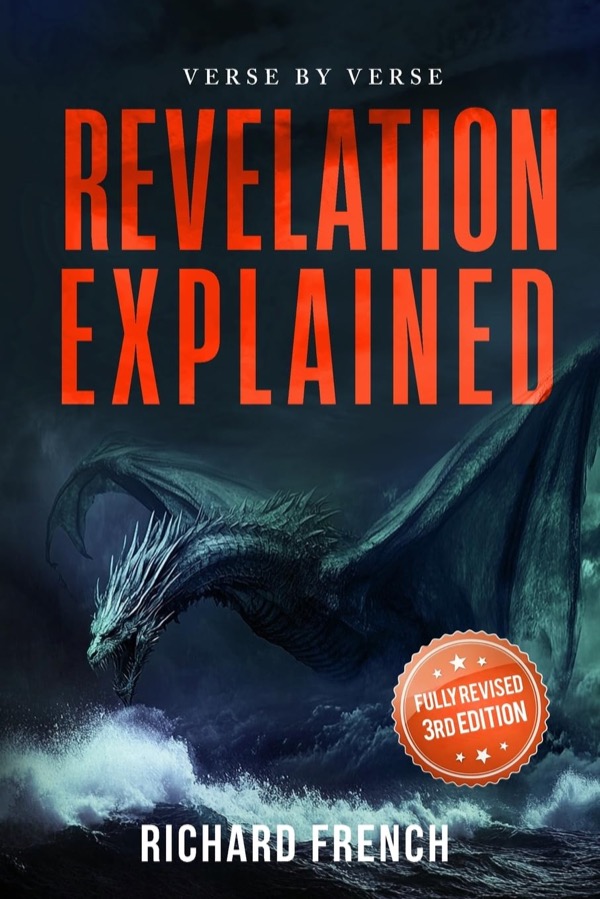
Revelation Explained: Verse by Verse (3rd Edition)
Finally understand Revelation without confusion or speculation. This expanded verse-by-verse commentary walks you through all 404 verses across twenty-two chapters — explaining what John saw, what the symbols mean, and how it all fits together. With Old Testament connections, chapter summaries, and practical application throughout. Scripture-based analysis written for all believers.
GET A SIGNED COPY