What the Bible Says About the Book of Life
When Roman citizens lost their names from imperial registers, they lost legal rights, economic access, and social standing. Revelation's first-century readers understood exactly what a register of names meant. Christ offered them a counter-register that no empire could touch: the book of life.
The book of life appears across multiple visions in Revelation, from the letters to the seven churches through the final judgment, making it one of the book's most theologically significant images. G.K. Beale describes it as "a heavenly census of the true covenant community," combining Old Testament imagery into a unified vision of eschatological security for the redeemed. It is God's declaration of permanent, covenant faithfulness to those who belong to the Lamb.
The book of life specifically represents God's eternal register of those who belong to Christ, written before the world began and opened at the final judgment as the decisive criterion for entry into the New Jerusalem. This article examines what the book of life is, where it comes from, and why it matters for Christians today.
Quick Answer: The book of life is a divine register containing the names of all who belong to God through faith in Christ. In Revelation, it appears across multiple visions as God's eternal guarantee of covenant membership, with those whose names are written in it granted entry into the New Jerusalem and deliverance from the second death.
Definition: The book of life in Revelation symbolizes God's permanent, pre-temporal register of the redeemed, tied directly to the atoning work of Christ the Lamb, and opened at the final judgment as the definitive criterion separating those who belong to God from all others.
Key Scripture: "Anyone not found written in the Book of Life was cast into the lake of fire." (NKJV Revelation 20:15)
Context: The image draws on Old Testament covenant theology and functions throughout Revelation as both assurance for the faithful and a declaration of final accountability for all humanity.
This vision serves a pastoral purpose as much as a prophetic one. The book of life anchors the identity of believers in God's eternal knowledge of them, not in their own consistency or certainty of feeling saved. It functions in Revelation as a recurring structural thread, appearing at the letters to the churches, the cosmic conflict with the beast, and the final judgment, each time declaring the same truth: God knows his people completely, and that knowledge is permanent. The sections that follow examine what the text says about the book of life, where the image comes from, and what it means for Christians handling doubt, pressure, or questions about their standing before God.
Key Takeaways
- Eternal origin: Names in the book of life were written "from the foundation of the world," anchoring inclusion in God's eternal redemptive purpose (NKJV Revelation 17:8).
- Tied to the Lamb: The book belongs specifically to Christ, the Lamb "slain from the foundation of the world" (NKJV Revelation 13:8).
- Permanent assurance: Christ's promise in Revelation 3:5 uses the strongest possible Greek negation, meaning names will surely not be erased.
- Covenant roots: The image draws directly from Exodus 32, Psalm 69, and Daniel 12, making it ancient covenant theology rather than end-times novelty.
- Defining criterion: Inscription in the book, not moral performance or earthly status, determines entry into the New Jerusalem (NKJV Revelation 21:27).

What Scripture Says About the Book of Life
The book of life in Revelation is God's permanent record of those who belong to the Lamb, opened at the final judgment as the decisive criterion separating the redeemed from all others. Its first major appearance sets the theological foundation: "All who dwell on the earth will worship him, whose names have not been written in the Book of Life of the Lamb slain from the foundation of the world" (NKJV Revelation 13:8). Entry into the book is rooted in Christ's atoning work from eternity past, not in human achievement.
Robert Mounce observes that the promise in Revelation 3:5 is "among the strongest assurances in the New Testament," functioning "not as a conditional warning but as an emphatic promise to those who persevere." The verse reads: "He who overcomes shall be clothed in white garments, and I will not blot out his name from the Book of Life; but I will confess his name before My Father and before His angels" (NKJV Revelation 3:5). The Greek behind that promise carries profound weight, as the section below explains.
At the Great White Throne judgment, the book of life stands alongside other books recording human deeds: "And I saw the dead, small and great, standing before God, and books were opened. And another book was opened, which is the Book of Life" (NKJV Revelation 20:12). The distinction matters. The book of life is a register of belonging, not a ledger of moral performance. Revelation 21:27 then makes inscription in the book the sole criterion for entry into the New Jerusalem: "only those who are written in the Lamb's Book of Life" may enter. Taken together, these passages form a consistent picture of divine faithfulness expressed through a permanent, covenant record.
The Greek Behind the Promise
Two Greek phrases carry particular weight for understanding the book's significance.
- Biblion tēs zōēs: "scroll of life," where zōē denotes eternal life in its fullest sense, distinct from mere biological existence.
- Ou mē exaleiphō: The double negative in Revelation 3:5, one of the most emphatic constructions in Greek, functioning as divine assurance rather than conditional warning. Christ is saying, in the strongest possible terms: your name will surely not be erased.
Understanding the Book of Life in Its Biblical Context
The image would have been immediately recognizable to Jewish-Christian readers because it is ancient. In Exodus 32:32-33, Moses intercedes after Israel's sin with the golden calf, asking God to blot out his own name if God will not forgive the people. God's response establishes the book as a covenant register: "Whoever has sinned against Me, I will blot him out of My book" (NKJV Exodus 32:33). This is a record of those in covenant relationship with God, and removal from it is a covenant sanction.
Psalm 69:28 connects the image to righteousness: "Let them be blotted out of the book of the living, and not be written with the righteous" (NKJV Psalm 69:28). Daniel 12:1 brings it closest to Revelation's usage: "And at that time your people shall be delivered, every one who is found written in the book" (NKJV Daniel 12:1). Revelation 20 follows the same sequence as Daniel 12, moving from tribulation to resurrection to judgment. G.K. Beale notes that the book of life functions as "a heavenly census of the true covenant community, combining Old Testament imagery from Exodus, Psalms, and Daniel into a unified vision of eschatological security for the redeemed."
In a world where Roman registers determined who could buy, sell, and belong, Revelation's book of life offered believers a counter-register maintained by Christ himself. Craig Keener's background work on the imperial cult shows that for Christians in cities like Pergamum and Smyrna, refusing to participate in emperor worship meant real economic and social consequences. The book of life spoke directly into that pressure. Rome's citizen rolls granted access to commerce and legal standing. The Lamb's book granted something Rome could not revoke: eternal belonging.
The Book's Place Across Revelation's Structure
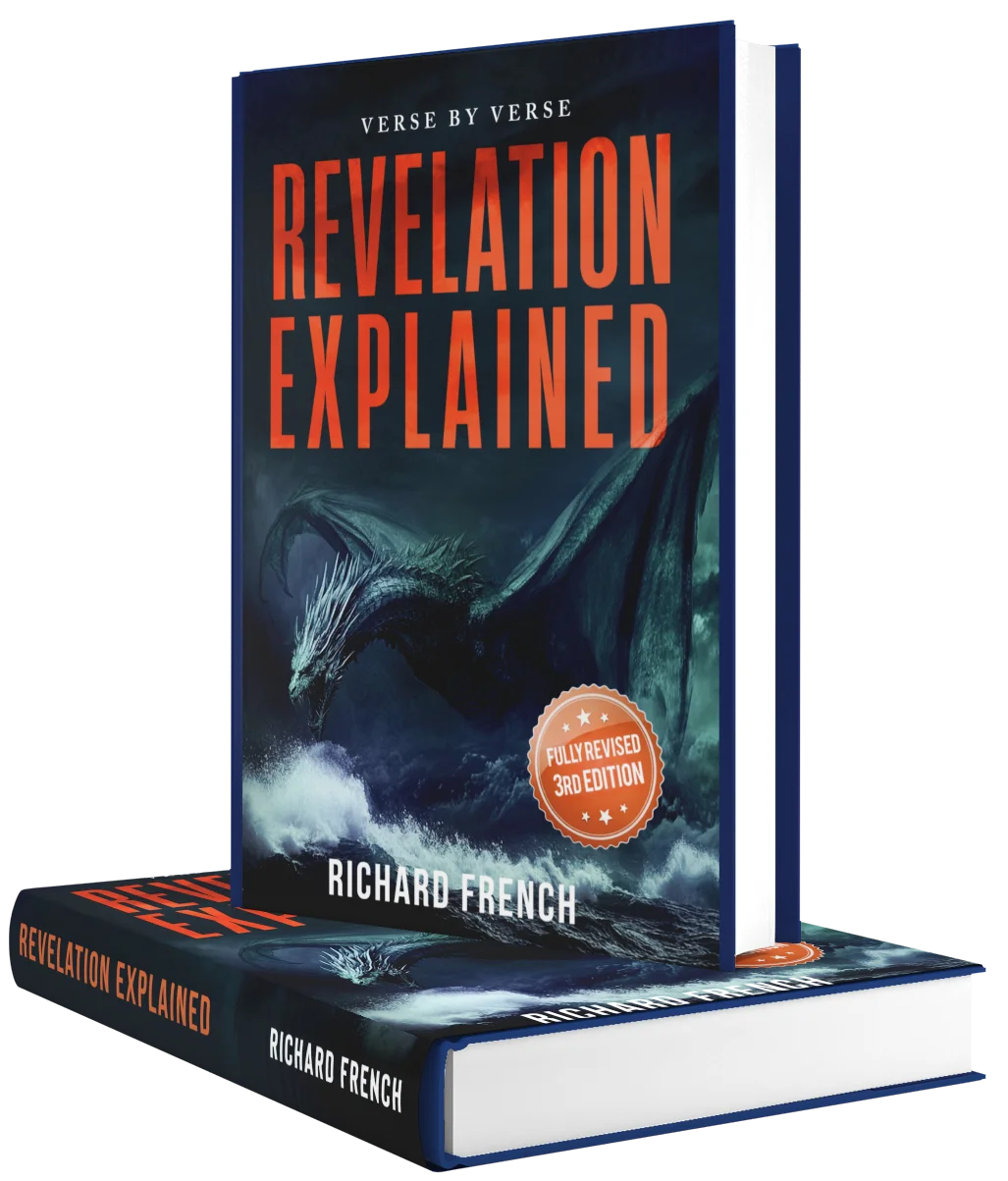
The book of life threads through Revelation as a recurring structural anchor, appearing at each major turning point in the narrative. For readers wanting to trace how this contrast develops across Revelation's narrative, Revelation Explained: Verse by Verse examines each occurrence in its immediate context.
- Letters to the churches (chapters 2-3): Christ addresses congregations under pressure, promising faithful overcomers their names will remain written.
- Cosmic conflict (chapters 13, 17): The book identifies those who resist the beast and refuse to worship the empire's counterfeit authority.
- Final judgment (chapters 20-21): The book is opened as the definitive criterion for eternal destiny, distinguishing the redeemed from all others.
Key Evidence
- Revelation 13:8 (NKJV): "whose names have not been written in the Book of Life of the Lamb slain from the foundation of the world", establishes the book's pre-temporal, Christological character.
- Revelation 3:5 (NKJV): "I will not blot out his name from the Book of Life", the Greek ou mē exaleiphō is among the strongest negations in the New Testament, which Robert Mounce calls "an emphatic promise to those who persevere."
- Revelation 20:12, 15 (NKJV): The book of life is opened at the Great White Throne alongside books of deeds, functioning as a register of belonging rather than a ledger of performance.
- Revelation 21:27 (NKJV): "only those who are written in the Lamb's Book of Life" may enter the New Jerusalem, inscription is the sole criterion for entry.
- Daniel 12:1 (NKJV): "every one who is found written in the book" shall be delivered, the closest Old Testament parallel, following the same tribulation-to-judgment sequence Revelation 20 adopts.
- Exodus 32:32-33 (NKJV): God's response to Moses establishes the book as a covenant register from which removal is a covenant sanction, the basic Old Testament background for Revelation's usage.
Why the Book of Life Matters for Christians Today
Maybe you've wrestled with questions about your own standing before God, wondering whether doubt or failure might somehow erase what Christ has secured. That uncertainty is more common than you might think, and it's okay to bring those honest questions to this text. The book of life speaks directly to them. Kept by the Lamb slain from eternity past (NKJV Revelation 13:8), inclusion rests on his redemptive work, not on sustained moral performance or the strength of your certainty on any given day.
Grant Osborne writes that the book of life is "primarily a symbol of God's sovereign election of those who will receive eternal life, rooted in Old Testament covenant imagery and expressing the permanent, irreversible nature of that election for those who persevere in faith." The book calls believers first to confidence, then to endurance. It is Christ's own declaration that those who belong to him are known completely, permanently, and will be publicly acknowledged before the Father.
Two misapplications are worth naming. First, Revelation 3:5 is sometimes read as a warning that believers can lose their salvation. The double negative in Greek communicates the opposite. Mounce's analysis is clear: the passage is "an emphatic promise to those who persevere," not a conditional threat. Second, some treat the book of life as a tool for evaluating whether others are "truly saved." The text never grants human observers that knowledge. Only God knows who is written there. Its roots in Exodus, Daniel, and the Psalms confirm that this is ancient covenant theology, not a novelty for end-times speculation. You can explore the second death in Revelation and the lake of fire to understand more fully what exclusion from the book means in Revelation's final vision.
Why This Vision Matters
The book of life stands at the center of Revelation's pastoral purpose: sustaining faithful people under pressure by anchoring their identity in God's eternal knowledge of them. For believers handling doubt, cultural pressure, or fear about their standing before God, the book of life declares that divine faithfulness, not human consistency, secures the register that lasts. This is not a vision designed to frighten, but to steady. The new heaven and new earth awaiting those written in the book gives this assurance its ultimate horizon, reminding us that God's purposes move toward restoration, not merely judgment.
Conclusion
The book of life is God's eternal register of those who belong to the Lamb, rooted in Old Testament covenant theology, threaded through every major vision in Revelation, and opened at the final judgment as the decisive criterion for entry into the New Jerusalem. Far from an abstract theological concept, it is a pastoral declaration aimed at real people facing real pressure, from the first-century churches of Asia Minor to believers today.
Christ's own words in Revelation 3:5 use the strongest possible assurance in Greek. For those who trust in him, the answer to "Is my name written there?" is grounded not in personal certainty but in the faithfulness of the Lamb who keeps the book. Your standing does not rest on how confident you feel on any given day. It rests on him, and he does not forget his own. For a deeper verse-by-verse exploration of these themes, see Revelation Explained: Verse by Verse by Richard French.
Sources
- Primary Scripture Passages (NKJV)*
- Revelation 3:5; 13:8; 17:8; 20:12, 15; 21:27
- Exodus 32:32 - 33; Psalm 69:28; Daniel 12:1; Isaiah 4:3; Malachi 3:16; Matthew 10:32; Philippians 4:3; Luke 10:20
- Scholarly Commentaries and Resources*
- Grant R. Osborne, Revelation, Baker Exegetical Commentary on the New Testament (Baker Academic, 2002)
- G.K. Beale, The Book of Revelation, New International Greek Testament Commentary (Eerdmans, 1999)
- Robert H. Mounce, The Book of Revelation, New International Commentary on the New Testament, Revised Edition (Eerdmans, 1997)
- David E. Aune, Revelation 1 - 5, Revelation 6 - 16, Revelation 17 - 22, Word Biblical Commentary (Thomas Nelson, 1997 - 1998)
- Craig S. Keener, Revelation, NIV Application Commentary (Zondervan, 2000)