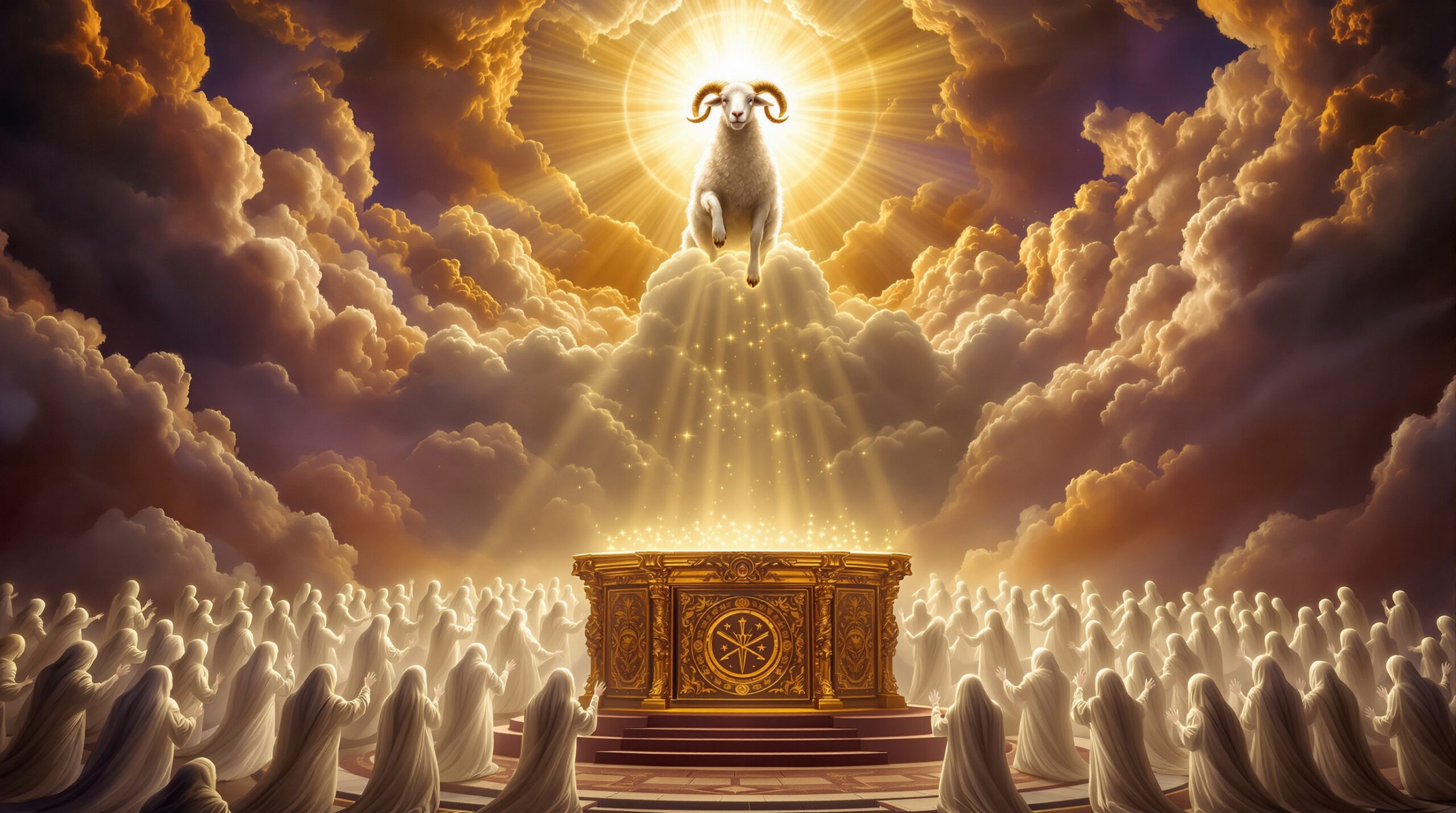
Unlike the first four seals depicting judgment on earth, the fifth seal revelation shows heaven’s perspective on persecution. The passage is not merely symbolic of hardship in general—it specifically represents the heavenly reality of martyred believers whose blood cries out for divine justice. This article examines the biblical text, altar symbolism, and what this vision means for suffering believers today.
Quick Answer: The fifth seal in Revelation 6:9-11 reveals martyred believers positioned under heaven’s altar, crying out for God’s justice against their persecutors. God gives them white robes symbolizing vindication and asks them to rest until the full number of martyrs is complete, assuring suffering Christians that their witness matters eternally.
Definition: The fifth seal in Revelation represents the heavenly reality of martyred believers who remain conscious after death, positioned under God’s altar where their blood cries out for divine justice.
Key Scripture: “When He opened the fifth seal, I saw under the altar the souls of those who had been slain for the word of God and for the testimony which they held” (NKJV Revelation 6:9)
Context: This vision shifts from earthly judgment to heavenly vindication, honoring those killed for faithful witness.
Key Takeaways
- Martyrs under the altar are positioned where sacrificial blood was poured in Old Testament worship, connecting Christian witness to sacred offering
- "How long, O Lord?" echoes ancient psalms and prophets, expressing legitimate faith longing for justice, not doubt
- White robes symbolize vindication and honor—heaven's reversal of earthly shame
- Predetermined number reveals God's sovereign control over history and martyrdom's purpose
- "Those who dwell on the earth" describes people whose loyalty anchors in earthly powers rather than God's kingdom
The Vision of Souls Under the Altar
Revelation 6:9-11 presents the fifth seal revelation with three distinct elements: the location of martyred souls, their cry for justice, and God's response. John sees "under the altar the souls of those who had been slain for the word of God and for the testimony which they held" (NKJV Revelation 6:9). The Greek term martyrian (witness/testimony) is the root of English "martyr," revealing that Christian witness inherently involves risk when confronting hostile powers.The positioning “under the altar” draws directly from Levitical practice where priests poured sacrificial blood at the altar’s base (Leviticus 4:7). Scholars such as G.K. Beale observe that their position under the heavenly altar shows their death is viewed as a sacrifice acceptable to God. This transforms martyrdom from mere murder into consecrated offering that God receives and honors.
The martyrs cry with a loud voice: “How long, O Lord, holy and true, until You judge and avenge our blood on those who dwell on the earth?” (NKJV Revelation 6:10). Grant Osborne notes this question does not express doubt but rather functions as a prayer for vindication—the cry of faith, not unbelief. The phrase echoes Psalm 79:5, 10 and Zechariah 1:12, connecting New Testament martyrs to centuries of faithful suffering documented throughout Scripture.
The fifth seal reveals that Christian martyrdom isn’t God’s failure to protect but testimony that participates in heaven’s victory. Each death is honored as a sacred offering before God’s throne, with martyrs positioned in the place of greatest honor.
God's Response to the Martyrs
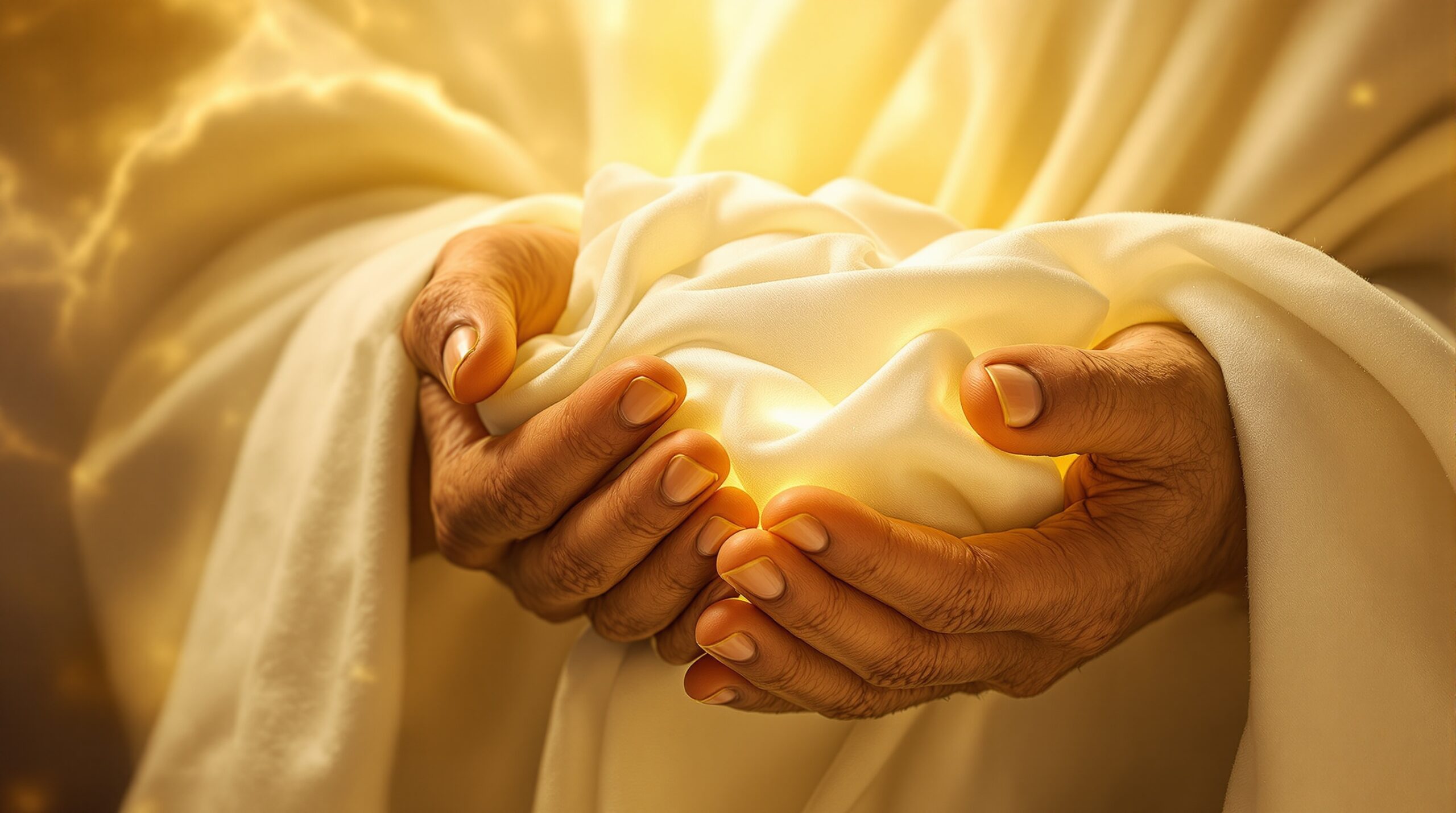
God's answer balances validation with patience: "Then a white robe was given to each of them; and it was said to them that they should rest a little while longer, until both the number of their fellow servants and their brethren, who would be killed as they were, was completed" (NKJV Revelation 6:11).- White robes signify vindication, righteousness, and honor—martyrs are already regarded as victorious
- "Rest a little while" promises peace in God's presence while awaiting final justice
- Predetermined number indicates God's sovereign plan governs history, not random chaos
Understanding the Fifth Seal in Revelation's Context
The fifth seal occupies the pivotal center of Revelation's seven seals. The first four horsemen bring conquest, war, famine, and death affecting one-fourth of earth (Revelation 6:1-8). The shift from earth to heaven at the fifth seal is intentional—John's vision moves from judgment's effects to judgment's cause: the blood of God's faithful witnesses. The sixth seal (Revelation 6:12-17) will depict cosmic upheaval, and the seventh (Revelation 8:1) brings silence before trumpet judgments.The phrase “those who dwell on the earth” functions as a technical term throughout Revelation for people whose citizenship, loyalty, and hope anchor in earthly powers rather than heaven (Revelation 3:10; 13:8, 14). It’s theological, not merely geographical—describing those fundamentally opposed to God’s kingdom. For John’s original audience facing Roman imperial pressure, this identified neighbors and officials who found security in “Roma Aeterna” (Eternal Rome) rather than God’s kingdom.
Genesis 4:10 records Abel’s blood crying out after Cain’s murder, establishing that innocent blood has a voice demanding justice. Robert Mounce explains that the fifth seal reveals these ancient cries accumulate until God’s appointed time. The day of judgment will not arrive until the full number of martyrs is complete, and in the meantime they are to rest from their labors.
The fifth seal functions as the theological heart of Revelation’s judgment sequence, explaining why judgment must come. Innocent blood cries out for justice in heaven’s court, and God responds according to His perfect timing.
Historical Context for First-Century Readers
John's audience faced real persecution threats. Some had witnessed martyrdom (Revelation 2:13 mentions Antipas killed in Pergamos), while others faced pressure from Roman imperial cult worship.- Economic exclusion resulted from refusing emperor worship or participation in trade guilds requiring pagan rituals
- Social ostracism targeted Christians confessing Jesus alone as Lord
- Heaven's perspective reversed Roman values—what empire deemed shameful weakness, heaven celebrates as victorious testimony
Why the Fifth Seal Matters for Christians Today
The martyrs died "for the word of God and for the testimony which they held"—their commitment to truth exceeded self-preservation. While most Western Christians don't face literal martyrdom, the fifth seal revelation challenges all believers to consider whether comfort or convenience silences witness. Heaven takes note of faithful testimony, whether unto death or not. This passage calls Christians to examine whether fear of rejection, loss of opportunity, or social consequences compromises their willingness to speak truth.God’s response—“rest a little while longer”—addresses every suffering believer’s question: “How long?” The passage teaches that God’s delays aren’t denials. He works according to purposes extending beyond individual suffering to encompass His entire redemptive plan. This provides comfort without promising immediate relief—realistic biblical hope that validates struggle while pointing toward certain resolution. Believers facing persecution, chronic illness, ongoing injustice, or delayed answers to prayer can find encouragement that God’s timing, though mysterious, is purposeful.
The vision of martyrs honored in heaven, clothed in white robes and positioned at God’s altar, completely reframes earthly suffering. What appears as defeat from earth’s perspective is victory from heaven’s. This doesn’t minimize pain—these souls cry out loudly—but contextualizes suffering within God’s larger narrative. For readers wanting to trace how this imagery develops across Revelation’s narrative, Revelation Explained: Verse by Verse examines each occurrence in its immediate context.
The passage doesn’t justify personal revenge—martyrs appeal to God for justice precisely because vengeance belongs to Him (Romans 12:19). It doesn’t suggest Christians should seek martyrdom or view suffering as inherently virtuous. It honors those killed for faithful witness, not suffering for its own sake.
The fifth seal assures persecuted believers that martyrdom isn’t meaningless tragedy but purposeful testimony that advances God’s plan and will be vindicated when Christ returns.
Why This Vision Matters
The fifth seal reveals that God neither ignores nor forgets the blood of His faithful witnesses. Each sacrifice is marked, honored, and will be vindicated in His perfect timing. For Christians facing persecution or living in relative safety, this vision assures that faithful witness—whether unto death or not—participates in God's redemptive plan and hastens Christ's return. Heaven reverses earth's values, transforming apparent defeat into eternal victory.Conclusion
The fifth seal in Revelation 6:9-11 provides essential perspective for every believer navigating suffering and delayed justice. Martyred souls under heaven's altar cry out for vindication, receive white robes symbolizing honor, and are asked to rest until God's purposes are complete. This vision transforms how Christians understand persecution—not as random tragedy but as testimony that matters eternally. Whether facing literal martyrdom or everyday pressures to compromise faith, believers can trust that God sees, remembers, and will execute perfect justice in His timing.For a deeper verse-by-verse exploration of Revelation’s symbols and structure, see Revelation Explained: Verse by Verse by Richard French.
Sources
- Revelation 6:9-11 (the fifth seal vision)
- Leviticus 4:7; 17:11 (sacrificial blood at altar base)
- Genesis 4:10 (Abel's blood crying out)
- Psalm 79:5, 10; Habakkuk 1:2; Zechariah 1:12 (Old Testament "how long?" laments)
- Revelation 2:13; 3:10; 7:9-17; 13:8, 14 (related Revelation passages)
- Romans 12:19; 2 Peter 3:9; Philippians 3:20; Hebrews 13:14 (theological connections)
- Beale, G.K. The Book of Revelation: A Commentary on the Greek Text. New International Greek Testament Commentary. Eerdmans, 1999.
- Osborne, Grant R. Revelation. Baker Exegetical Commentary on the New Testament. Baker Academic, 2002.
- Mounce, Robert H. The Book of Revelation. New International Commentary on the New Testament. Eerdmans, 1977.
- Greek lexical analysis from standard reference works (BDAG, Thayer's) for key terms: psychas, thusiastērion, martyria, katoikountes epi tēs gēs
- Historical context regarding first-century Roman imperial cult and persecution dynamics
- Intertextual connections between Revelation's imagery and Old Testament prophetic and cultic traditions