The fourth horseman rides a horse unlike any other in Scripture—its color evokes death itself, described with a Greek word that means "greenish-pale" or "sickly yellow." While most readers know about the four horsemen, the specific color of the fourth horse often gets lost in translation, yet it carries profound symbolic meaning. The pale horse in Revelation is not merely another colored horse. It specifically represents the unnatural pallor of corpses and plague victims, distinguishing it from conquest, war, and economic collapse. This examination explores the biblical description of the pale horse in Revelation, its color's significance, and what this terrifying image reveals about death, judgment, and Christ's ultimate victory.
Quick Answer: The pale horse in Revelation 6:8 is described with the Greek word chlōros, meaning greenish-pale or yellowish—the sickly color of a corpse or plague victim. This unnatural pallor symbolizes death itself, distinguishing it from the white, red, and black horses that precede it. Definition: The pale horse in Revelation symbolizes divinely permitted death operating under God's sovereign authority to execute covenant judgments through sword, famine, pestilence, and wild beasts. Key Scripture: "So I looked, and behold, a pale horse. And the name of him who sat on it was Death, and Hades followed with him" (NKJV Revelation 6:8) Context: This is the only horseman whose rider is explicitly named, emphasizing death's role in divine judgment.
This vision functions as both warning and comfort. It warns that death remains a consequence of rebellion against God, exposing the fragility of earthly security. Yet it also demonstrates God's sovereignty over even catastrophic events, with the limitation to one-fourth showing that divine restraint constrains severe judgment. Following sections examine the biblical description of this horse's unique color, how it connects to Old Testament covenant language, and what Christ's victory means for believers facing death.
Key Takeaways
The Greek word chlōros describes the greenish-pale color of death and decay, not a vibrant hue
Death personified rides this horse, making it the only horseman explicitly identified by name
Four-fold judgment echoes Old Testament covenant curses from Ezekiel and Jeremiah
Limited authority shows God's sovereignty—Death claims only one-fourth, not all
Christ holds the keys to Death and Hades, ensuring their ultimate defeat
The Biblical Description of the Pale Horse in Revelation
Revelation 6:8 uses the Greek word chlōros to describe the horse's color. This term appears elsewhere in Revelation only for green grass (8:7; 9:4), creating a stark contrast—the color of life becomes the color of death. Ancient Greek medical writers used chlōros to describe the pallor of sick or dying patients, making the imagery unmistakable for original readers. English translations vary in rendering this unique color: "pale" (NKJV, ESV), "ashen" (NASB), or "pale green" in more literal renderings. Variation reflects translators' challenge in capturing a color that describes death itself. Grant Osborne notes that chlōros "is the color of a corpse and denotes death," explaining why this horse carries such ominous significance. Death personified rides this horse, followed by Hades—the grave or realm of the dead. This pairing represents complete death: Death claims the body, Hades receives it. Unlike the other horsemen whose identities require interpretation, this rider's name is explicitly stated, emphasizing death's central role in divine judgment. Death wields four instruments of judgment: sword, hunger, death (pestilence), and wild beasts. Yet his authority is limited to "a fourth of the earth"—severe but restrained judgment that demonstrates divine control even in catastrophe.

Ethereal Horse in Apocalyptic Clouds
Why This Color Matters
Color choice is deliberate, not arbitrary. Chlōros would immediately evoke images of death and disease for ancient readers familiar with the term's medical usage. Unlike natural horse colors—white, red, black—this greenish-pale hue signals something supernatural and terrifying. Color itself becomes a theological statement about death's corruption of God's good creation, transforming the vibrant green of living grass into the sickly pallor of decay.
The Pale Horse and Old Testament Judgment
Four-fold judgment formula directly quotes Ezekiel 14:21: "My four severe judgments—the sword and famine and wild beasts and pestilence." This same pattern appears in Leviticus 26:21-26, Jeremiah 15:2-3, and other covenant curse passages, establishing these judgments as God's covenant enforcement against covenant-breaking nations. Zechariah 1:8-11 and 6:1-8 provide the literary precedent for colored horses as divine agents. In Zechariah's visions, horses patrol the earth as scouts; in Revelation, they execute specific judgments. G.K. Beale notes that this connection to Ezekiel "indicates that the focus is not merely on judgment of unbelievers in general but particularly on those identified with Israel who are unfaithful to God's covenant." Original audience—Christians in Asia Minor facing persecution under Roman rule—would immediately recognize these Old Testament echoes. They understood that judgment comes not from chaos but from the covenant God who controls history. Fraction "one-fourth" demonstrates both severity and divine restraint, representing measured discipline intended to bring repentance rather than total annihilation. Four-fold judgment of sword, famine, pestilence, and wild beasts echoes the covenant curses of Ezekiel 14:21, showing that even catastrophic death operates under God's sovereign covenant purposes. For believers facing persecution, this vision provided assurance that their suffering had meaning within God's larger plan for justice and redemption.
Christ's Victory Over the Pale Horse
Before the seals open, Christ declares: "I have the keys of Hades and of Death" (NKJV Revelation 1:18). The pale horse in Revelation operates only under Christ's authority—He opens the seal that releases Death and Hades. Text uses divine passive voice: "power was given to them," indicating they are servants granted temporary authority, not autonomous powers. Revelation 20:14 reveals their ultimate fate: "Then Death and Hades were cast into the lake of fire. This is the second death." Pairing in chapter 6 anticipates their final defeat in chapter 20, providing hope that these terrifying powers are already defeated foes awaiting final destruction. For persecuted Christians facing literal death threats, this framing provided profound comfort. Craig Keener emphasizes that "God limits the judgments to provide opportunity for repentance," showing that even harsh discipline serves redemptive purposes. Physical death cannot separate believers from God's love (Romans 8:38-39), and the pale horse, though terrifying, remains subordinate to the risen Lamb. Though the pale horse carries Death with authority to kill a fourth of the earth, Christ holds the keys to Death and Hades, ensuring that these terrifying powers remain subordinate to the risen Lamb who conquered death. Vision calls believers to confidence in Christ's victory rather than fear of death's temporary authority.
What This Means for Christians Today
Believers need not fear what Christ has already conquered through His death and resurrection. Vision calls for confidence in Christ's victory over death, not terror of mortality itself. Earthly judgments, however severe, are restrained and designed to call people to repentance before final judgment. The pale horse ultimately points toward Revelation 21:4: "there shall be no more death, nor sorrow, nor crying."
Why This Vision Matters
The pale horse matters because it exposes the illusion that death is humanity's ultimate enemy. While death remains terrifying, it operates only under divine permission and serves God's covenant purposes. This vision reminds believers that Christ has conquered death through His resurrection, transforming it from final defeat into defeated enemy. Present mortality is real but temporary—God's victory is eternal.
Continue Through the Seals
The pale horse rides last, but it does not ride alone. It completes a sequence that begins with the white horse of conquest, moves to the red horse of war, and passes through the black horse of famine before death itself comes into view. Read as the full four-horsemen vision, the progression makes sense — conquest breeds war, war breeds famine, famine ends in death — yet even here God sets a limit, and the Lamb who opened the seal holds the keys to Death and Hades.
Conclusion
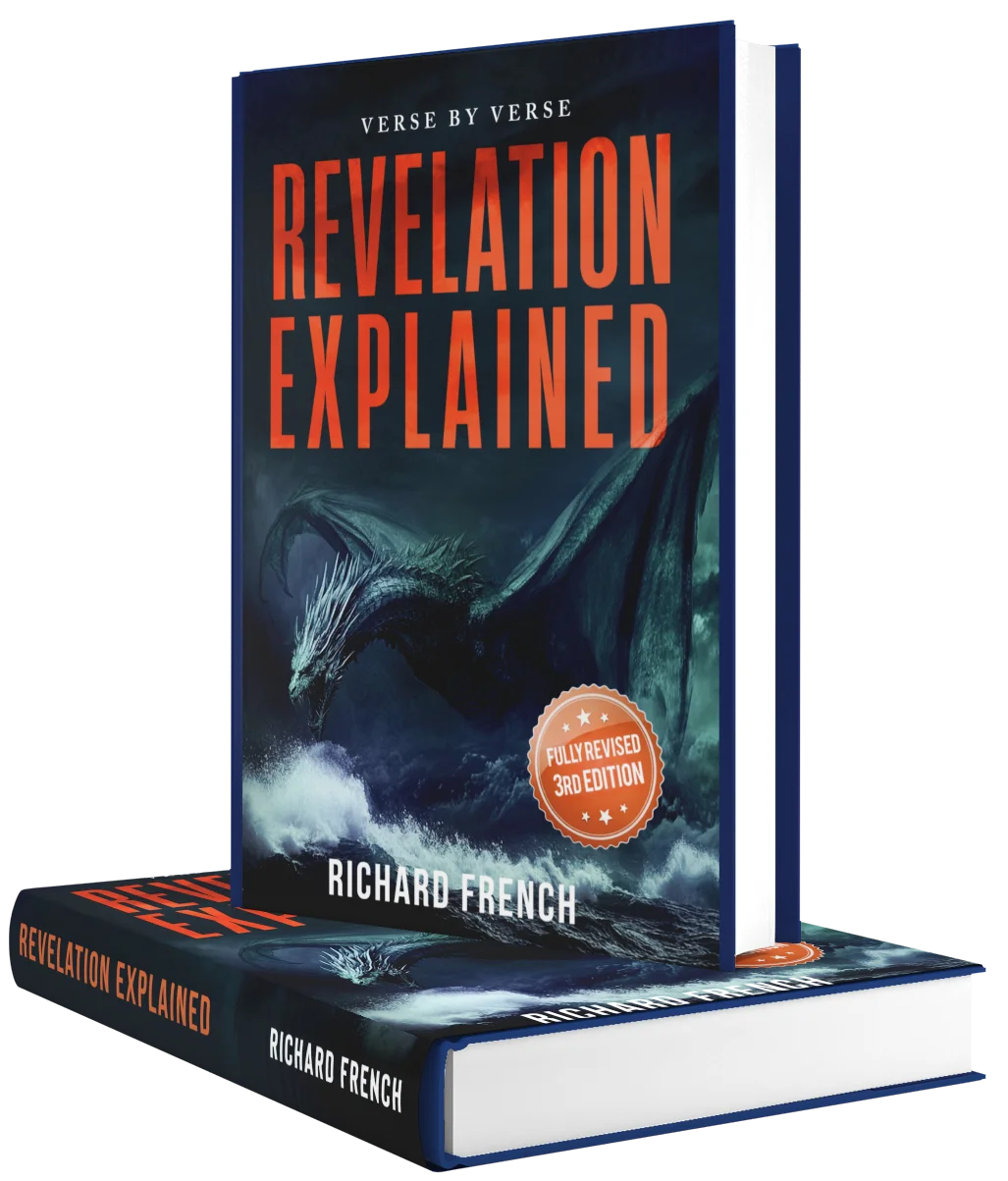
The pale horse in Revelation is distinctly colored with the greenish-pale hue of death itself, carrying Death personified with limited authority to execute covenant judgments. This terrifying image serves a pastoral purpose: reminding believers that even death operates under Christ's sovereign control. Color chlōros transforms from describing living grass to describing death's pallor, showing how sin corrupts God's good creation. Yet Death and Hades are already defeated enemies, awaiting their final destruction in the lake of fire. Christians can face mortality without fear, knowing Christ holds the keys to death and the grave. The four horsemen work together to reveal God's judgment, but they also point to His ultimate victory over all that opposes His kingdom. For deeper verse-by-verse exploration of Revelation's imagery and its meaning for believers today, see Revelation Explained: Verse by Verse by Richard French.
Sources
Revelation 6:7-8 (the pale horse passage)
Revelation 1:18; 20:14 (Death and Hades defeated)
Ezekiel 14:21 (four severe judgments formula)
Zechariah 1:8-11; 6:1-8 (colored horses as divine agents)
Jeremiah 15:2-3 (four-fold judgment pattern)
Leviticus 26:21-26; Deuteronomy 28:15-68 (covenant curses)
Beale, G.K. The Book of Revelation: A Commentary on the Greek Text. New International Greek Testament Commentary. Eerdmans, 1999.
Osborne, Grant R. Revelation. Baker Exegetical Commentary on the New Testament. Baker Academic, 2002.
Keener, Craig S. Revelation. NIV Application Commentary. Zondervan, 2000.
Mounce, Robert H. The Book of Revelation. New International Commentary on the New Testament. Eerdmans, 1997.
Johnson, Dennis E. Triumph of the Lamb: A Commentary on Revelation. P&R Publishing, 2001.