The second of the four horsemen rides out when the Lamb opens the second seal. Here is what the red horse means, why it brings war, and why it still rides under Christ's authority.
Of the four horsemen of Revelation, the red horse is the one whose meaning feels most immediate. We know conquest, famine, and death from a distance, but war fills the news in every generation. When the Lamb opens the second seal, a blood-colored horse rides out and peace is taken from the earth. For readers who already find Revelation frightening, this image can feel like more of the same. Read in context, though, the red horse carries a message about God's sovereignty over even the worst of human violence.
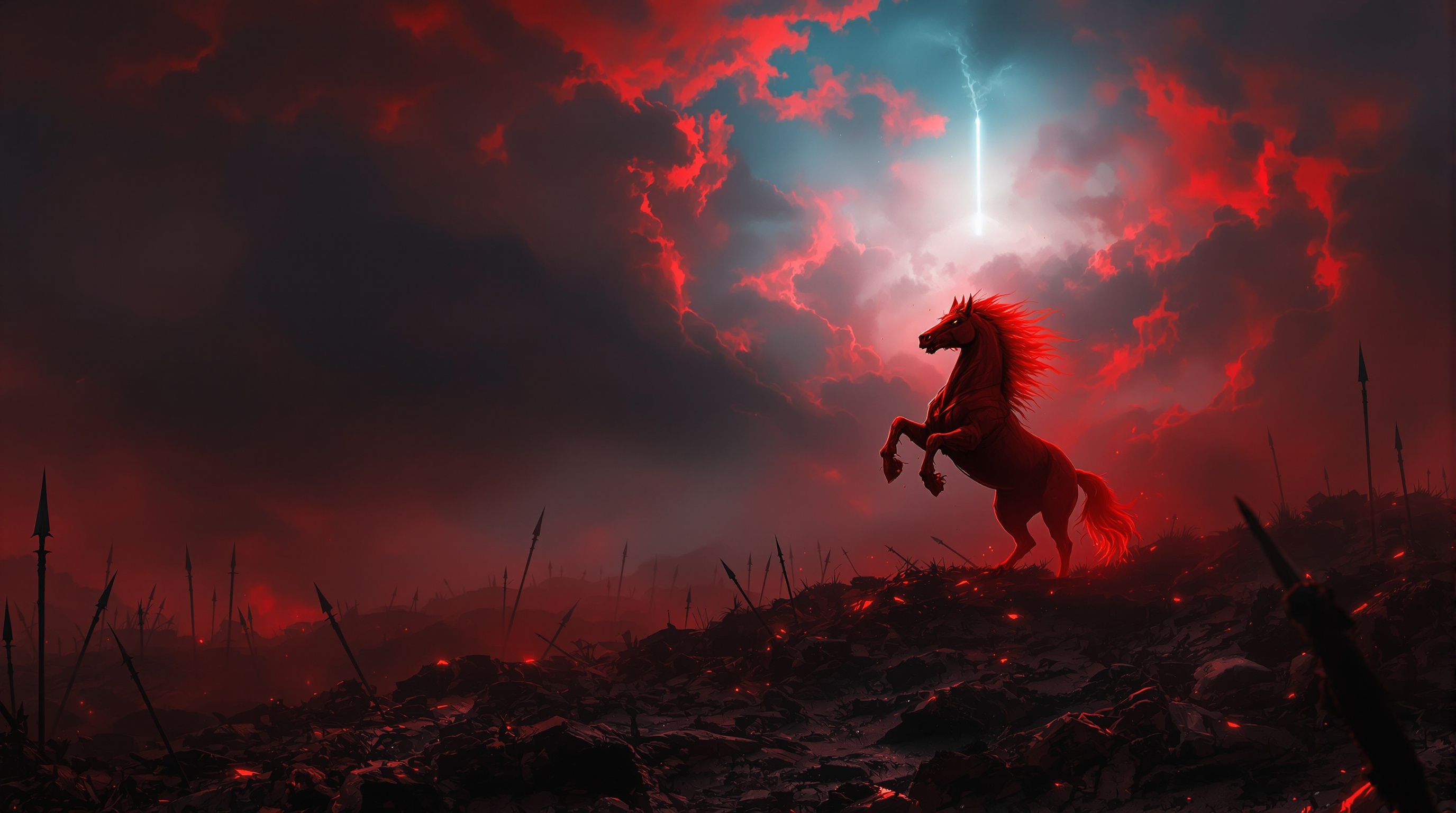
Quick Answer: The red horse is the second of the four horsemen of Revelation, released when the Lamb opens the second seal (Revelation 6:3-4). Its rider is given power to take peace from the earth and a great sword, symbolizing war, bloodshed, and human conflict. The red color pictures blood. Like the other horsemen, the red horse rides only because the Lamb opens the seal, which means even war unfolds under Christ's authority and within limits He sets.
Definition: The red horse in Revelation 6:4 represents war and the removal of peace among people. It is the second in the sequence of four horsemen released by the opening of the seven-sealed scroll.
Key Scripture: "Another horse, fiery red, went out. And it was granted to the one who sat on it to take peace from the earth, and that people should kill one another; and there was given to him a great sword." (NKJV Revelation 6:4)
Context: The four horsemen ride out as the Lamb opens the first four of the seven seals (Revelation 6). The red horse follows the white horse of conquest and precedes the black horse of famine and the pale horse of death, a sequence that mirrors the troubles Jesus described in His Olivet Discourse. For the full picture, see the overview of all four horsemen.
What the Red Horse Represents
The color is the first clue. Fiery red is the color of blood and fire, and Scripture ties it directly to slaughter. The rider receives two things: the power to take peace from the earth, and a great sword. The Greek word for sword here (machaira) points to the blade used for killing, not the ceremonial sword of office. Together these picture war in its rawest form, with peace removed, people turning on one another, and blood spilled.
The red horse follows the white horse of conquest for a reason. Conquest gives way to conflict. When one power reaches for dominion, war follows close behind. The sequence is not random. It traces how human ambition unravels into violence.
The Red Horse and the Removal of Peace
Notice the careful wording. It was granted to the rider, and a sword was given to him. Those passive verbs matter. The red horse does not seize its power. Its power is permitted, handed out under the sovereignty of the One who opened the seal. War is real and terrible, and it still operates within boundaries that God has set. The rider can take peace from the earth, yet he cannot reach beyond the limit the Lamb allows.
This is why Jesus could speak of war without panic. In His teaching on the end of the age He said, "And you will hear of wars and rumors of wars... For nation will rise against nation, and kingdom against kingdom" (Matthew 24:6-7). He called these things the beginning of sorrows, the birth pangs of a world moving toward renewal. The red horse rides through that same landscape.
Why the Red Horse Still Rides Under the Lamb's Authority
Here is the detail that changes how we read the whole vision. The horsemen do not ride until the Lamb opens the seals (Revelation 5 and 6). The same slain and risen Lamb who alone is worthy to open the scroll is the One who governs what comes out of it. War is not proof that God has lost control. It is one of the sobering realities of a fallen age, and it remains under the authority of Christ.
The believer is not promised exemption from a world at war. We are promised a peace the red horse cannot reach. Jesus said, "Peace I leave with you, My peace I give to you; not as the world gives do I give to you. Let not your heart be troubled, neither let it be afraid" (John 14:27). The peace taken from the earth in Revelation 6 is the fragile peace of nations. The peace Christ gives rests on His finished work and His coming reign, and no horseman has the power to remove it.
The vision also looks ahead. When the fifth seal opens, the souls of those killed for their faith cry out, and God assures them that their vindication is certain (Revelation 6:9-11). The red horse is one chapter in a story that ends with every wrong addressed and every tear wiped away. The sword has a season. The Lamb has the last word.
Confused by Revelation's colors, numbers, and symbols?
The red horse is one image in a book full of them. Download the free Revelation Symbols Cheat Sheet, a one-page reference to the colors, numbers, beasts, and figures John uses, so you can read any passage with the key already in hand.
Get the free Symbols Cheat Sheet →
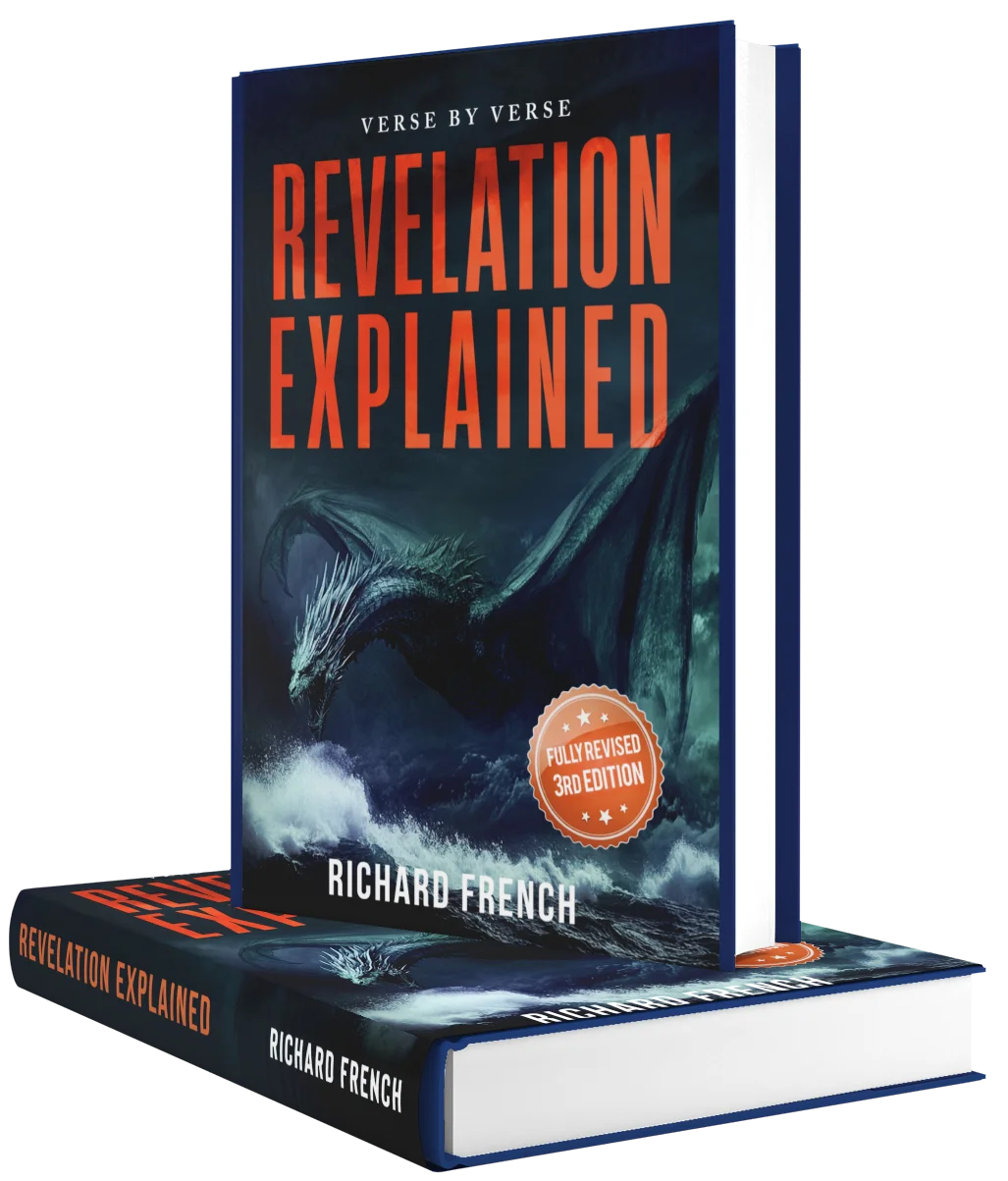
For a verse-by-verse walk through the four horsemen and the rest of Revelation's symbols, see Revelation Explained: Verse by Verse by Richard French.
Continue Through the Seals
The red horse rides second in a sequence of four. It follows the white horse of conquest and gives way in turn to the black horse of famine and finally the pale horse of death. To see how all four fit together as the Lamb opens the first four seals, start with the overview of the four horsemen — the same sequence Jesus called the beginning of birth pangs, every rider held within the limits Christ sets.
Sources
Revelation 6:3-4 (the second seal and the red horse)
Revelation 5:1 to 6:8 (the Lamb opens the scroll and releases the four horsemen)
Revelation 6:9-11 (the fifth seal and the vindication of the martyrs)
Matthew 24:6-8 (wars and rumors of wars in the Olivet Discourse)
Zechariah 1:8; 6:1-8 (the colored horses of Old Testament prophecy)
John 14:27 (the peace of Christ)
Scripture quotations are from the New King James Version (NKJV).