What Does the Bible Say About the Second Resurrection?
Revelation 20 places two resurrections before us, separated by a thousand-year reign, and the second resurrection leads every remaining dead person to stand before a throne so overwhelming that heaven and earth flee from its presence. The second resurrection in Revelation 20 is the universal raising of all who were not part of the first resurrection, bringing them before God's Great White Throne for final judgment. Christians across centuries have wrestled with this passage, yet its core message holds steady: God's judgment is universal, complete, and final.
Maybe you've approached Revelation 20 with more unease than clarity, unsure whether this vision is meant to frighten or to anchor you. That uncertainty is understandable, and it's worth saying plainly: for believers, this passage is pastoral before it is terrifying. The second resurrection is not a threat to those written in the Book of Life. It is the declaration that God's justice reaches every corner of creation and leaves nothing unresolved.
This article examines what Scripture says about the second resurrection, its literary and historical context, and why it matters for faith today.
Quick Answer: The second resurrection is the raising of all remaining dead for final judgment before God's Great White Throne, as described in Revelation 20:11-15. It follows the millennium and leads to the second death (the lake of fire) for those whose names are absent from the Book of Life.
Definition: The second resurrection in Revelation represents the universal summoning of all remaining dead before God's Great White Throne, where the Book of Life and the books of works together determine each person's eternal destiny.
Key Scripture: "The sea gave up the dead who were in it, and Death and Hades delivered up the dead who were in them. And they were judged, each one according to his works." (NKJV Revelation 20:13)
Context: The second resurrection stands in deliberate contrast to the first resurrection, which the text connects to blessing, holiness, and immunity from the second death (NKJV Revelation 20:5-6).
Key Evidence: Revelation 20:11-15 supplies the primary text. Daniel 7:9-10 provides the Old Testament throne-room template John's audience would have recognized. Daniel 12:2 establishes the precedent for a differentiated resurrection with distinct outcomes. Grant Osborne (BECNT) and G.K. Beale (NIGTC) both identify the two sets of books as governing both covenant relationship and moral accountability in the final verdict.
This vision serves a purpose that goes beyond cataloguing end-time events. It functions as Revelation's answer to the question every suffering believer asks: does faithfulness matter when unjust powers seem to win? The Great White Throne scene declares that no record is incomplete, no verdict is premature, and no death suffered in faithfulness to Christ is the final word. The sections that follow examine what Scripture says about the second resurrection, how its Old Testament roots and first-century context shaped its meaning, and what it calls believers to today.
Key Takeaways
- Two resurrections distinguished: Revelation 20:5-6 contrasts the first resurrection (blessing, priestly reign) with the second resurrection (universal judgment), making this distinction central to the entire passage.
- Universal summoning: The merism of sea, Death, and Hades signals that every person who has ever died will stand before the Great White Throne, leaving no one unaccounted for.
- Two sets of books: Grant Osborne notes that the books of works and the Book of Life together form the basis of final judgment: covenant relationship and moral accountability both matter.
- The second death defined: Revelation 20:14-15 explicitly identifies the second death as the lake of fire, a permanent separation from God. Death and Hades are themselves destroyed, ending all intermediate states.
- Assurance for believers: The promise to Smyrna in Revelation 2:11 confirms that those who overcome "shall not be hurt by the second death," grounding Christian endurance in the security of the Book of Life.
What the Text Actually Says
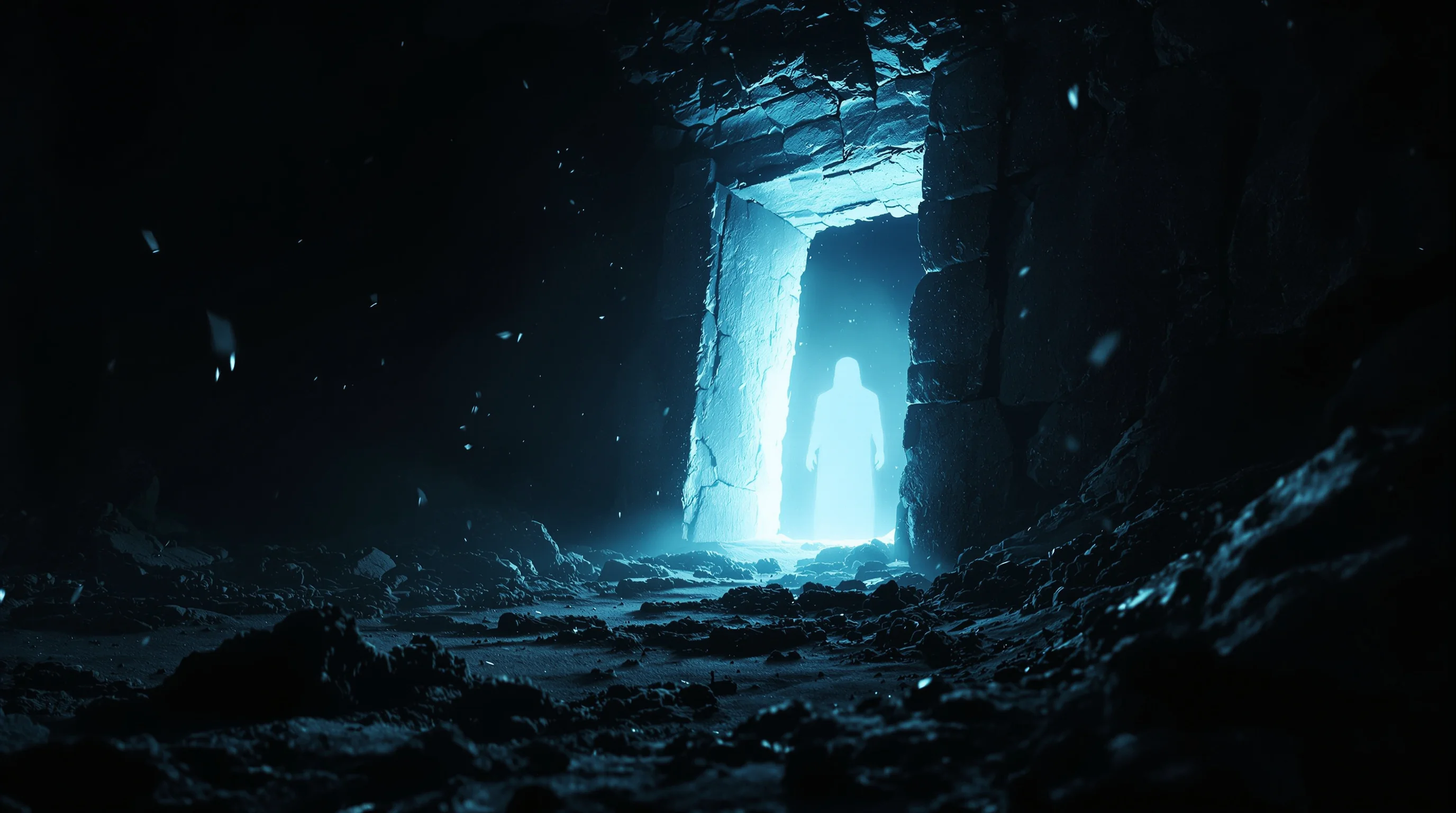
The second resurrection is not named directly in Revelation 20, but the text establishes it by contrast. Revelation 20:5-6 identifies the first resurrection as a state of blessing and holiness: "Blessed and holy is he who has part in the first resurrection. Over such the second death has no power, but they shall be priests of God and of Christ, and shall reign with Him a thousand years." (NKJV Revelation 20:5-6). The second resurrection is the implied counterpart, made explicit when the remaining dead are raised for judgment at the throne.
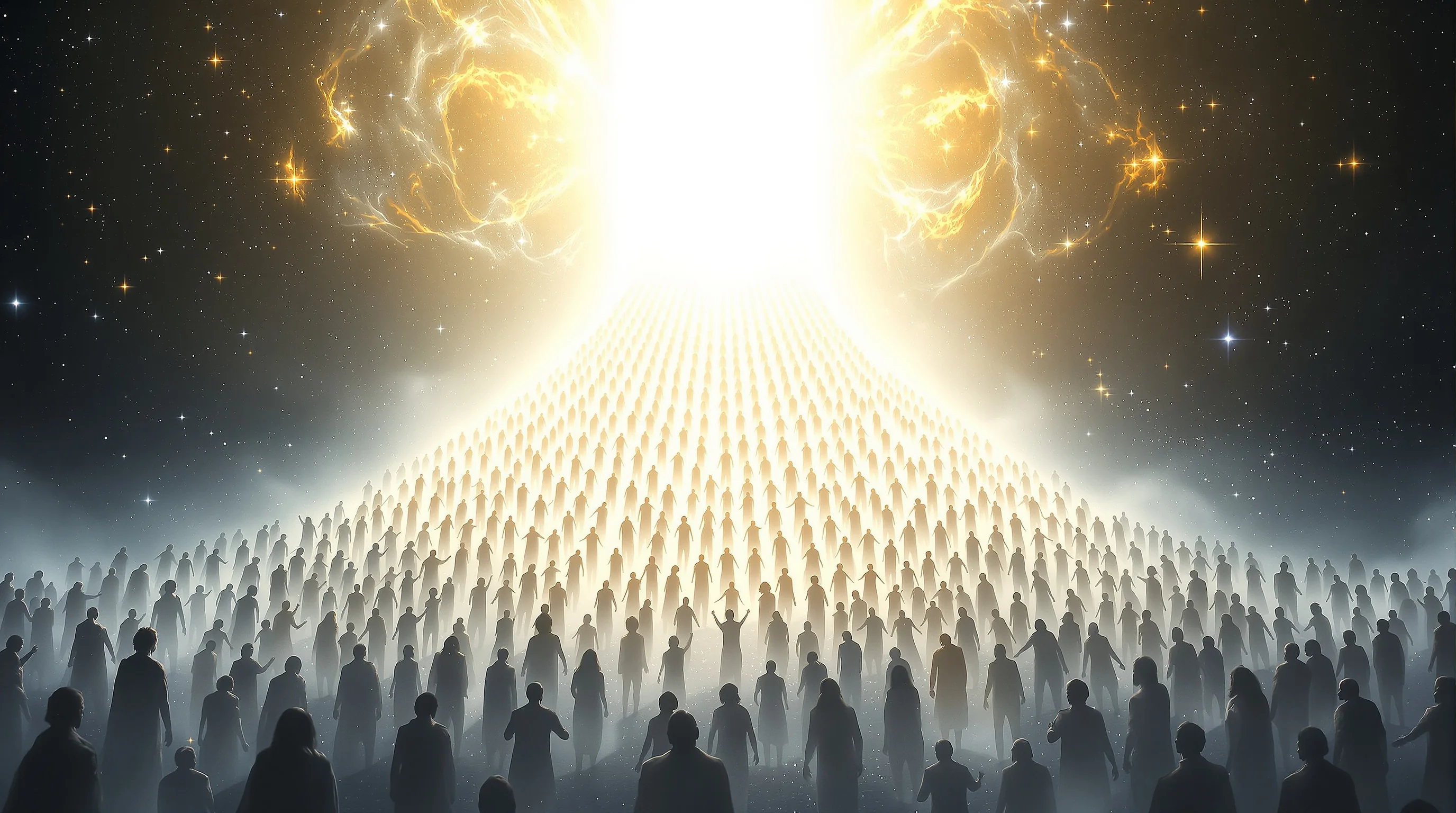
The throne scene itself is striking. "Then I saw a great white throne and Him who sat on it, from whose face the earth and the heaven fled away." (NKJV Revelation 20:11). The Greek word for white here is leukon, a term Revelation consistently uses to signal purity and divine authority. Heaven and earth fleeing establishes absolute cosmic finality. No power, no organization, no created order remains to delay what follows.
Two sets of books govern the judgment. "Books were opened. And another book was opened, which is the Book of Life. And the dead were judged according to their works, by the things which were written in the books." (NKJV Revelation 20:12). The phrase "small and great" appears here, as it does in Revelation 11:18, 13:16, and 19:5, signaling complete universality. Grant Osborne observes that the books of works and the Book of Life together constitute the full basis of judgment: covenant relationship and moral accountability both factor into the final verdict.
The second death receives its clearest definition in verses 14-15. "Then Death and Hades were cast into the lake of fire. This is the second death. And anyone not found written in the Book of Life was cast into the lake of fire." (NKJV Revelation 20:14-15). G.K. Beale notes that the second death is the permanent condition of spiritual separation from God, antithetical to the blessing of those raised in the first resurrection. Crucially, Death and Hades are themselves destroyed here, abolishing every temporary holding state. The second resurrection raises all remaining dead for judgment before God's Great White Throne, where the Book of Life determines eternal destiny and no power can delay the verdict.
The Promise That Protects Believers
Revelation 2:11 connects faithful endurance directly to immunity from the second death, giving the judgment scene a pastoral dimension that speaks to believers across every era.
- Overcomer's promise: "He who overcomes shall not be hurt by the second death" (NKJV Revelation 2:11). The Greek nikao means to conquer or prevail under pressure.
- Original audience: Smyrna faced literal persecution, making this assurance existentially urgent rather than abstractly theological.
- Implication: Physical death cannot in the end harm those whose names are written in the Book of Life and protected from the second death.
Understanding the Second Resurrection in Its Biblical Context
Revelation 20 sits at a precise location in the book's narrative. Chapters 17-18 described the fall of Babylon. Chapter 19 unveiled Christ's return and the defeat of the beast and false prophet. The millennium follows in chapter 20, and the Great White Throne judgment functions as the hinge between the fallen order and the new creation of chapters 21-22. Everything broken since Genesis 3, including death, curse, and chaos, is addressed here before the vision moves forward to restoration.
The Old Testament background is specific. Daniel 7:9-10 is the direct template: the Ancient of Days seated on a throne of fire while the court sat and books were opened. John's audience, steeped in Jewish Scripture, would have recognized this scene immediately. Robert Mounce observes that the universality of the resurrection is emphasized by the threefold enumeration of sea, Death, and Hades: no one escapes the final judgment. This literary device, known as a merism, uses complete pairings to say totality. Every form of death, every intermediate state, every corner of creation yields its dead.
Daniel 12:2 provides the clearest Old Testament precedent for a differentiated resurrection: "Many of those who sleep in the dust of the earth shall awake, some to everlasting life, some to shame and everlasting contempt." (NKJV Daniel 12:2). Revelation 20 is the full apocalyptic development of this promise. For a detailed examination of how this Old Testament framework shapes the millennium and resurrection passages, the verse-by-verse commentary in Revelation Explained: Verse by Verse traces these connections through each chapter.
The Roman imperial context sharpens the passage's pastoral force. Craig Keener's background work on the imperial cult in Asia Minor shows that the churches John addressed were not reading this as abstract theology. Refusing emperor worship meant economic exclusion and sometimes death. The Great White Throne scene directly subverts Roman court imagery: Caesar judged based on status, but God judges "small and great" with equal impartiality. Ultimate judicial authority belongs entirely to God, before whom even Caesar's court has no standing.
Major Interpretive Views
Evangelical scholars divide on the millennium's nature but converge on the reality of final judgment before God.
- Premillennialist view: Two literal, sequential resurrections separated by a thousand-year earthly reign of Christ, with the millennium understood as a future literal period.
- Amillennialist view: The first resurrection represents spiritual regeneration (new birth); the second resurrection is the universal bodily resurrection at history's end.
- Point of convergence: All major views affirm a real, universal, final judgment before God and a genuine distinction in eternal destiny between the redeemed and the condemned.
Why the Second Resurrection Matters for Christians Today
The second resurrection establishes that God's justice is complete and final. No injustice is forgotten, no name wrongly recorded, and no death suffered in faithfulness to Christ is the last word. This is the bedrock of Christian endurance under suffering, and it was the specific assurance the seven churches needed when Rome held apparent power over life and death.
For believers facing marginalization or pressure today, the passage offers a decisive reorientation. As Osborne notes, human verdicts are provisional while God's verdict is final. Those whose names are in the Book of Life face the second resurrection without fear of the second death. What the text offers is not a comfortable escape from its weight but a grounded confidence that the Judge is good.
The passage also carries a warning against presumption. "Small and great" stand before the throne equally, and the presence of the books of works alongside the Book of Life indicates that genuine faith produces genuine fruit. The judgment is thorough and impartial, which is precisely why it is trustworthy. The destruction of Death and Hades points forward to Isaiah 65:17's new heavens and new earth, delivered in Revelation 21-22. Read alongside the first resurrection in Revelation 20, the second resurrection makes sense as part of a complete picture of God's redemptive justice.
Why This Vision Matters
Revelation 20's second resurrection answers the question every suffering believer asks: does faithfulness matter when unjust powers seem to win? The Great White Throne scene declares that God's authority is absolute, his record is complete, and his judgment is just. For contemporary believers, this vision grounds endurance in the character of a God who sees, records, and judges rightly. Present injustice is real, but it is not permanent.
Conclusion
The second resurrection is the universal raising of all remaining dead for judgment before God's Great White Throne. Distinguished from the first resurrection by its outcome, it leads to the second death for those outside the Book of Life and to the new creation for those within it. The threefold merism of sea, Death, and Hades leaves no one unaccounted for. The two sets of books make sure that both covenant relationship and moral accountability are weighed with perfect justice.
As a believer, you can receive this vision as the assurance that God's justice is final, his records are complete, and those who overcome in Christ face no condemnation at the second resurrection. The one who sits on the Great White Throne is the same one who wrote your name in the Book of Life. For a deeper verse-by-verse exploration of Revelation's symbols and structure, see Revelation Explained: Verse by Verse by Richard French.
Sources
- Revelation 20:1 - 15 (NKJV) - primary text
- Revelation 2:11 (NKJV) - promise to Smyrna regarding the second death
- Daniel 7:9 - 10 (NKJV) - Ancient of Days throne/books imagery
- Daniel 12:2 (NKJV) - differentiated resurrection
- John 5:28 - 29 (NKJV) - Jesus on the two resurrections
- Isaiah 65:17 (NKJV) - new heavens and new earth connection
- G.K. Beale, The Book of Revelation: A Commentary on the Greek Text (New International Greek Testament Commentary; Eerdmans/Paternoster, 1999)
- Robert H. Mounce, The Book of Revelation (New International Commentary on the New Testament; Eerdmans, revised 1997)
- Grant Osborne, Revelation (Baker Exegetical Commentary on the New Testament; Baker Academic, 2002)
- G.B. Caird, A Commentary on the Revelation of St. John the Divine (Harper & Row, 1966)
- Craig Keener, Revelation (NIV Application Commentary; Zondervan, 2000)