A surprising number of Christians believe only six of the seven seals have been opened in Revelation—but Revelation 8:1 explicitly states otherwise. This widespread miscounting stems from a structural surprise: the seventh seal doesn't deliver another catastrophe like seals 1-6, but instead unveils the seven trumpet judgments. Understanding how many of the seven seals have been opened matters because it reveals how John structured his vision and prevents misreading one of Scripture's most important prophetic texts. The seven seals are not merely symbolic of hardship in general. They specifically represent God's systematic unfolding of judgment and redemption through history. This article examines the biblical evidence, explains why confusion occurs, and clarifies what all seven seals reveal about God's sovereignty.
Quick Answer: All seven seals have been opened in Revelation's narrative. The seventh seal (Revelation 8:1) brings silence in heaven for half an hour before introducing the seven trumpet judgments, creating a "telescoping" structure where later judgment series emerge from earlier ones.
Definition: The seven seals in Revelation represent God's sequential judgments that unfold His sovereign plan for history, with each seal revealing specific aspects of divine justice and redemption.
Key Scripture: "When He opened the seventh seal, there was silence in heaven for about half an hour" (NKJV Revelation 8:1)
Context: The seventh seal functions differently than seals 1-6 because it opens into the next judgment series rather than depicting a discrete catastrophic event.
The seven opened seals function as both warning and revelation. They warn that human systems will face divine judgment while revealing God's complete authority over history's unfolding. The telescoping structure demonstrates that God's justice operates systematically, with each series building upon the previous to show increasing intensity and comprehensive scope.
Key Takeaways
All seven seals are explicitly opened in Revelation 6-8, though many readers miss the seventh seal's opening in 8:1
The seventh seal introduces the seven trumpets rather than delivering another discrete judgment, creating a nested structure
The silence in heaven (Revelation 8:1) represents solemn anticipation before intensified judgment, not an incomplete sequence
The prayers of martyred saints (fifth seal) connect to the incense altar (seventh seal), showing God's judgments respond to His people's cries for justice
The telescoping pattern (seals contain trumpets, trumpets contain bowls) demonstrates God's patient yet progressive judgment intensification
What the Bible Explicitly States About the Seven Seals
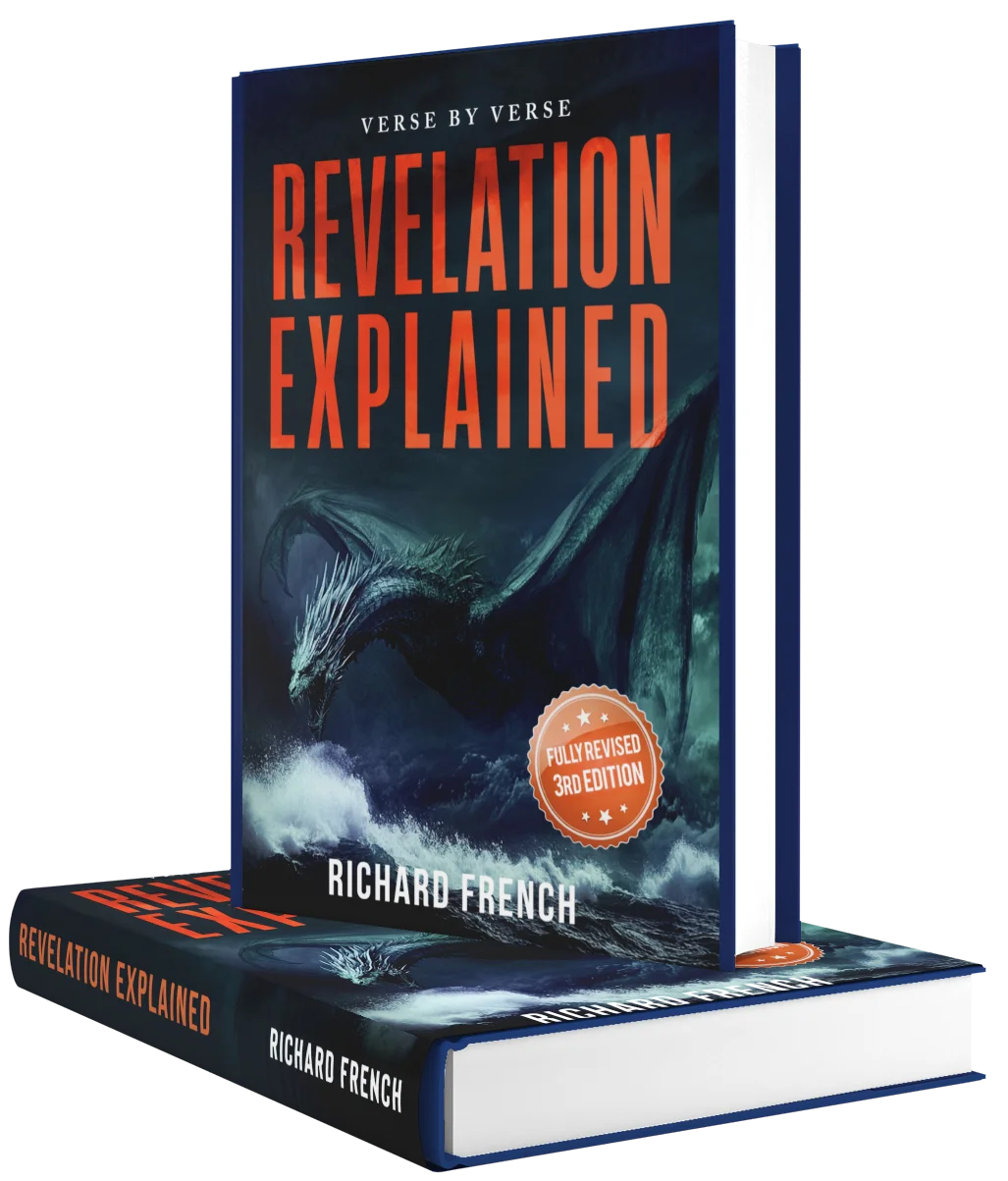
Revelation 6-8 provides unmistakable textual evidence that all seven seals are opened. The text repeatedly states "when the Lamb opened" each seal (Revelation 6:1, 3, 5, 7, 9, 12), with the Greek verb ēnoixen (from anoigō, "to open") appearing six times. Each opening reveals specific judgments—the four horsemen, martyred souls, and cosmic upheaval. Following this same pattern, the seventh seal opens with identical language: "When He opened the seventh seal, there was silence in heaven for about half an hour" (NKJV Revelation 8:1). The Greek hēbdomon sphragida ("the seventh seal") leaves no ambiguity—this seal was opened just as definitively as the previous six. Readers miscount because the seventh seal doesn't follow the pattern of seals 1-6. Instead of depicting another catastrophe, it brings ominous silence, then introduces "the seven angels who stand before God, and to them were given seven trumpets" (NKJV Revelation 8:2). G.K. Beale notes, "The seventh seal judgment is not another discrete judgment but introduces the seven trumpets... This demonstrates that the seal series is not merely sequential but contains within itself further developments of judgment." All seven seals have been opened in John's vision, with the seventh seal functioning as the gateway to intensified judgment through the trumpet series, revealing God's systematic unfolding of redemptive history. For readers wanting to trace how this imagery develops across Revelation's narrative, Revelation Explained: Verse by Verse examines each occurrence in its immediate context.
The Connecting Element Between Seals and Trumpets
Between the seventh seal's opening and the trumpets sounding, an angel offers incense with "the prayers of all the saints" at heaven's altar (NKJV Revelation 8:3-4).
Connection to fifth seal: Martyred souls crying "How long, O Lord?" (6:10)
Theological significance: Divine judgment comes in response to believers' prayers for justice
Structural purpose: Links the seal series to trumpet series through liturgical action
Why the Seventh Seal's Structure Confuses Readers
Confusion about how many of the seven seals have been opened stems from legitimate literary expectations that the text deliberately subverts. Seals 1-6 establish a clear pattern—each opening immediately reveals a judgment or vision. The first four bring the famous horsemen. The fifth reveals martyrs under heaven's altar. The sixth triggers cosmic catastrophe with humanity crying, "Who is able to stand?" (NKJV Revelation 6:17). Naturally, readers expect the seventh seal to deliver the climactic judgment. Revelation 7 inserts an entire chapter before the seventh seal opens, answering "Who can stand?" by showing 144,000 sealed servants and a countless multitude before God's throne. This interlude creates suspense and provides assurance of divine protection. When the seventh seal finally opens (8:1), it brings silence—then unveils seven trumpets. Grant Osborne observes, "Many readers fail to recognize that 8:1 explicitly states the seventh seal was opened. The confusion arises because this seal doesn't depict judgment directly but rather the preparation for the trumpet series." Later, the seventh trumpet introduces seven bowl judgments (15:1-16:21), continuing the nested pattern. This structure echoes Daniel's progressive visions (Daniel 2, 7, 8-12), where successive revelations cover similar ground with increasing intensity—what scholars call "recapitulation with intensification."
The Significance of Silence
The "silence in heaven for about half an hour" (NKJV Revelation 8:1) contrasts dramatically with Revelation's constant worship and activity (chapters 4-5).
Solemn anticipation: Heaven holds its breath before increased judgment severity
Liturgical pause: The calm before the storm of trumpet judgments
Structural marker: Signals transition from seal series to trumpet series while maintaining continuity
Why Understanding All Seven Seals Matters for Faith Today
Grasping that all seven seals have been opened—and understanding their telescoping structure—provides significant benefits for contemporary believers. The sealed scroll represents God's redemptive plan that only the Lamb can unveil (Revelation 5:1-7). All seven seals being opened demonstrates that Christ possesses complete authority over history's unfolding, not world powers or chance. Robert Mounce observes, "The prayers of the saints (8:3-4) provide the theological link between the seals and trumpets. God's judgments come in response to His people's cries for justice." The progression from seals (affecting one-fourth of earth) to trumpets (one-third) to bowls (complete) reveals God's restraint, giving opportunity for repentance while ensuring ultimate accountability. The fifth seal's martyrs asking "How long?" receive assurance that justice is delayed, not denied. Chapter 7's interlude between seal six and seven shows believers are sealed for spiritual protection through tribulation: "These are the ones who come out of the great tribulation, and washed their robes and made them white in the blood of the Lamb" (NKJV Revelation 7:14). Physical trial doesn't indicate divine abandonment. Understanding the complete seal sequence trains believers to trust God's timeline rather than demanding immediate resolution, maintaining hope that the scroll's full contents—God's redemptive plan—will be completely accomplished.
Why This Vision Matters
The seven opened seals reveal that God's plan unfolds systematically according to divine wisdom, not human expectations. Christ's worthiness to open all seven seals (5:5-6) demonstrates His complete authority over history. For persecuted first-century Christians and contemporary believers alike, this vision provides assurance: God sees injustice, remembers His people's suffering, and will bring comprehensive justice through progressive yet certain judgment.
Conclusion
All seven seals in Revelation have been opened, with the seventh seal uniquely introducing the trumpet judgments rather than depicting another discrete catastrophe. This telescoping structure—where later judgment series emerge from earlier ones—reveals God's patient yet progressive response to evil and His people's prayers for justice. Understanding this prevents misreading Scripture and helps believers trust God's sovereignty over history's unfolding. The seals remind us that Christ holds ultimate authority, justice is certain though delayed, and believers are protected spiritually through tribulation. For a deeper verse-by-verse exploration of Revelation's symbols and structure, see Revelation Explained: Verse by Verse by Richard French.
Sources
Revelation 5:1-14 (The sealed scroll and the worthy Lamb)
Revelation 6:1-17 (Opening of seals one through six)
Revelation 7:1-17 (Interlude: sealing of the 144,000 and great multitude)
Revelation 8:1-6 (Opening of the seventh seal)
Ezekiel 2:9-10 (Background: sealed scroll)
Zechariah 1:8-11; 6:1-8 (Background: colored horses)
Joel 2:1, 30-31 (Background: trumpet and cosmic signs)
Daniel 7-12 (Background: sequential apocalyptic visions)
Beale, G.K. The Book of Revelation: A Commentary on the Greek Text. New International Greek Testament Commentary. Eerdmans, 1999.
Osborne, Grant R. Revelation: Baker Exegetical Commentary on the New Testament. Baker Academic, 2002.
Mounce, Robert H. The Book of Revelation: The New International Commentary on the New Testament. Revised edition. Eerdmans, 1997.
Koester, Craig R. Revelation: A New Translation with Introduction and Commentary. Anchor Yale Bible. Yale University Press, 2014.
Johnson, Dennis E. Triumph of the Lamb: A Commentary on Revelation. P&R Publishing, 2001.